
12 Common Mental Health Disorders and Their Symptoms
Written By:
Abdul Basit
Last Updated:
July 31,2026
Reading Time:
3 Minutes
Reference-Based Content
This article is based on guidance from WHO, American Psychiatric Association
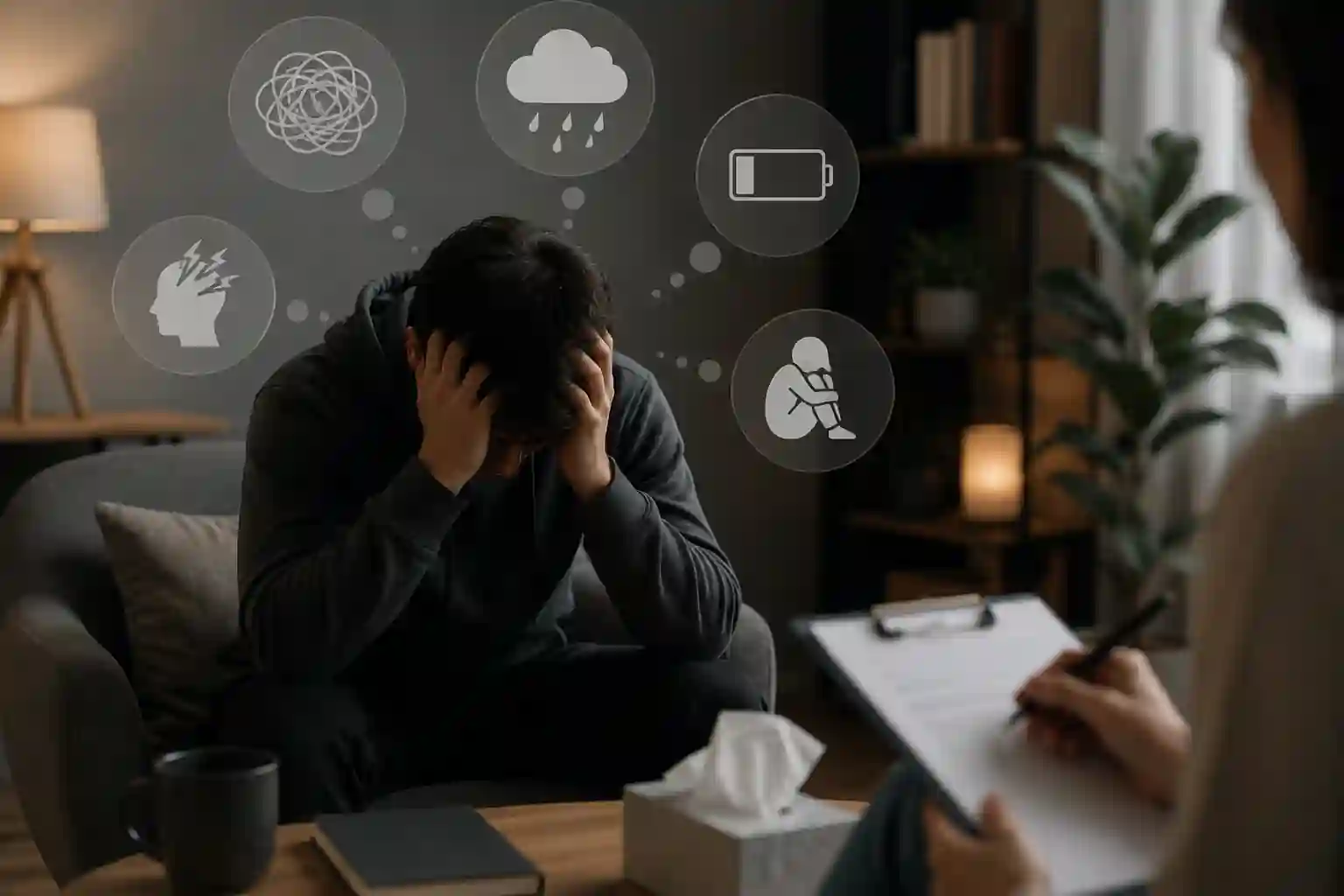
Mental health disorders affect people across every age group, background, and walk of life, and understanding them is often the first step toward getting proper support. According to the World Health Organization, roughly 1 in every 7 people worldwide were living with a mental disorder as of 2021, with anxiety and depressive disorders being the most common conditions. This guide walks through the most common mental health disorders and their symptoms, giving individuals and families a clear, reliable starting point for recognizing signs of mental illness and seeking professional help.
Quick Summary
This article explains 20 common mental health disorders — including anxiety, depression, bipolar disorder, schizophrenia, OCD, PTSD, ADHD, eating disorders, autism spectrum disorder, and personality disorders — along with their key symptoms. It covers how these conditions present differently in adults versus children, how diagnosis works using DSM-5 criteria, and what treatment options (like CBT and psychotherapy) are typically recommended.
Key Takeaways
✅Nearly 1 in 7 people worldwide live with a mental disorder, with anxiety and depression being the most common.
✅Symptoms vary widely by condition but often overlap in mood, energy, and concentration changes.
✅Diagnosis typically involves a psychiatrist or psychologist using DSM-5 criteria.
✅Early recognition and professional treatment — including CBT and psychotherapy — significantly improve long-term outcomes.
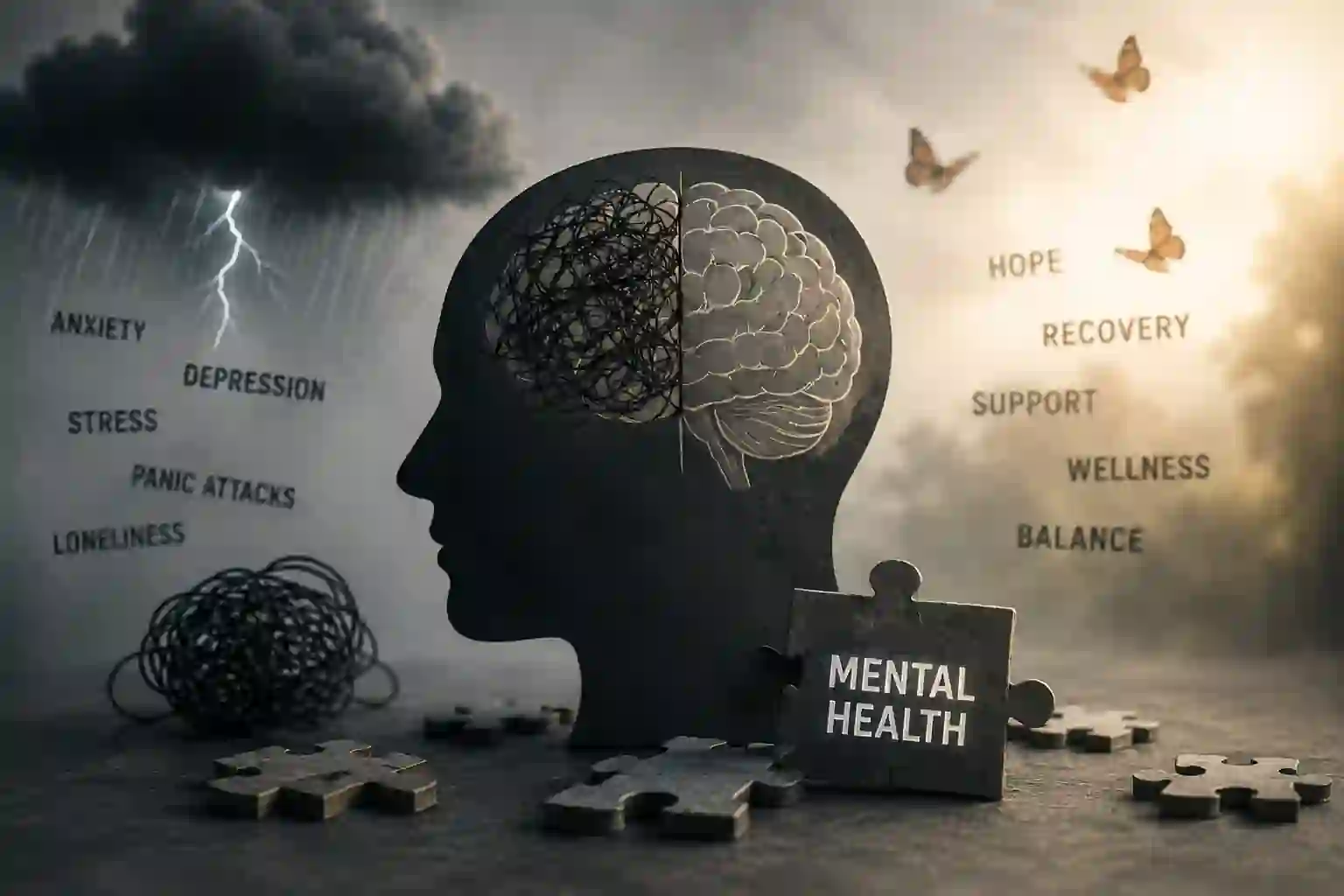
Understanding Common Mental Health Disorders
Mental illness covers a broad range of conditions that affect mood, thinking, and behavior. Common mental illnesses such as anxiety disorder, depression, bipolar disorder, and schizophrenia sit alongside behavioral health disorders like ADHD and eating disorders. Each condition on this mental disorders list has its own pattern of symptoms, though many share overlapping features such as low mood, restlessness, or difficulty concentrating. Recognizing these mental health symptoms early can make treatment far more effective.
Types of Mental Disorders and Their Symptoms
Anxiety disorder: excessive worry, restlessness, rapid heartbeat, and avoidance of stressful situations.
Depression: persistent sadness, loss of interest in daily activities, fatigue, and changes in sleep or appetite.
Bipolar disorder: alternating episodes of mania and depression, marked by mood swings and shifts in energy.
Schizophrenia: hallucinations, delusions, and disorganized thinking that affect daily functioning.
OCD: intrusive thoughts paired with repetitive behaviors performed to ease distress.
PTSD: flashbacks, nightmares, and heightened anxiety following a traumatic experience.
ADHD: inattention, impulsivity, and difficulty staying organized, common in both children and adults.
Panic disorder: sudden, intense episodes of fear accompanied by physical symptoms like chest tightness.
Eating disorders: disturbed eating patterns tied to body image and emotional distress.
Autism spectrum disorder: differences in communication, social interaction, and behavioral patterns.
Personality disorders, including Borderline Personality Disorder, involve long-standing patterns that affect relationships and self-image.
Phobias, including Social Anxiety Disorder and Generalized Anxiety Disorder, cause intense fear tied to specific situations or ongoing worry.
Mental Disorders in Adults and Children
Mental disorders in adults often present as workplace stress, relationship strain, or physical symptoms like fatigue and headaches. Mental disorders in children may look different, showing up as tantrums, school avoidance, or trouble with emotional regulation. Because early signs of mental illness aren't always obvious, families are encouraged to watch for sudden changes in behavior, sleep, or social withdrawal.
Diagnosis and Treatment Options for Mental Disorders
A proper diagnosis usually begins with a conversation with a psychologist or psychiatrist, often guided by criteria from the Diagnostic and Statistical Manual of Mental Disorders (DSM-5) or the American Psychiatric Association (APA). Treatment options for mental disorders range from Cognitive Behavioral Therapy (CBT) and psychotherapy to medication management, depending on the individual's needs. The National Institute of Mental Health (NIMH) notes that combining therapy with lifestyle support tends to produce the strongest outcomes for emotional well-being.
Frequently Asked Questions About Mental Health Disorders
References
World Health Organization — "Mental disorders" fact sheet
World Health Organization — "World Mental Health Today" / global mental health data coverage
Important: This article is for educational purposes only and should not replace professional medical advice, diagnosis, or treatment.
More From This Blog

12 Common Mental Health Disorders and Their Symptoms Explained
Without Medication: How to Improve Mental Health Naturally
How Social Media Impacts Mental Health in Children and Adults


mentally exhausted all the time
Signs of burnout
How to Stop Overthinking at Night: Practical Tips for a Calmer Mind

How to Calm Anxiety Before Sleeping Naturally
Can Lack of Sleep Cause Anxiety
Signs You May Need to See a Mental Health Professional