
How Social Media Impacts Mental Health in Children and Adults
Understanding how social media impacts mental health in children and adults has become essential as platforms grow more woven into daily life. Social media offers connection and entertainment, yet it also carries real risks for anxiety, depression, and emotional well-being when screen time goes unchecked, making digital well-being an important conversation for every household.
Quick Summary
This article examines how social media affects mental health in both children and adults, covering risks like anxiety, depression, cyberbullying, and disrupted sleep, alongside the benefits of connection and community, and practical habits for healthier digital well-being.
Key Takeaways
✅Social media's impact depends heavily on individual characteristics, usage patterns, and content type, not the platforms alone.
✅Children and teens are particularly vulnerable to cyberbullying, social comparison, and sleep disruption from social media use.
✅Adults commonly experience social media addiction, anxiety, and loneliness tied to excessive scrolling.
✅Digital detox habits and screen-time boundaries support emotional resilience across all ages.
✅Social media can also provide genuine social connection and support when used mindfully.
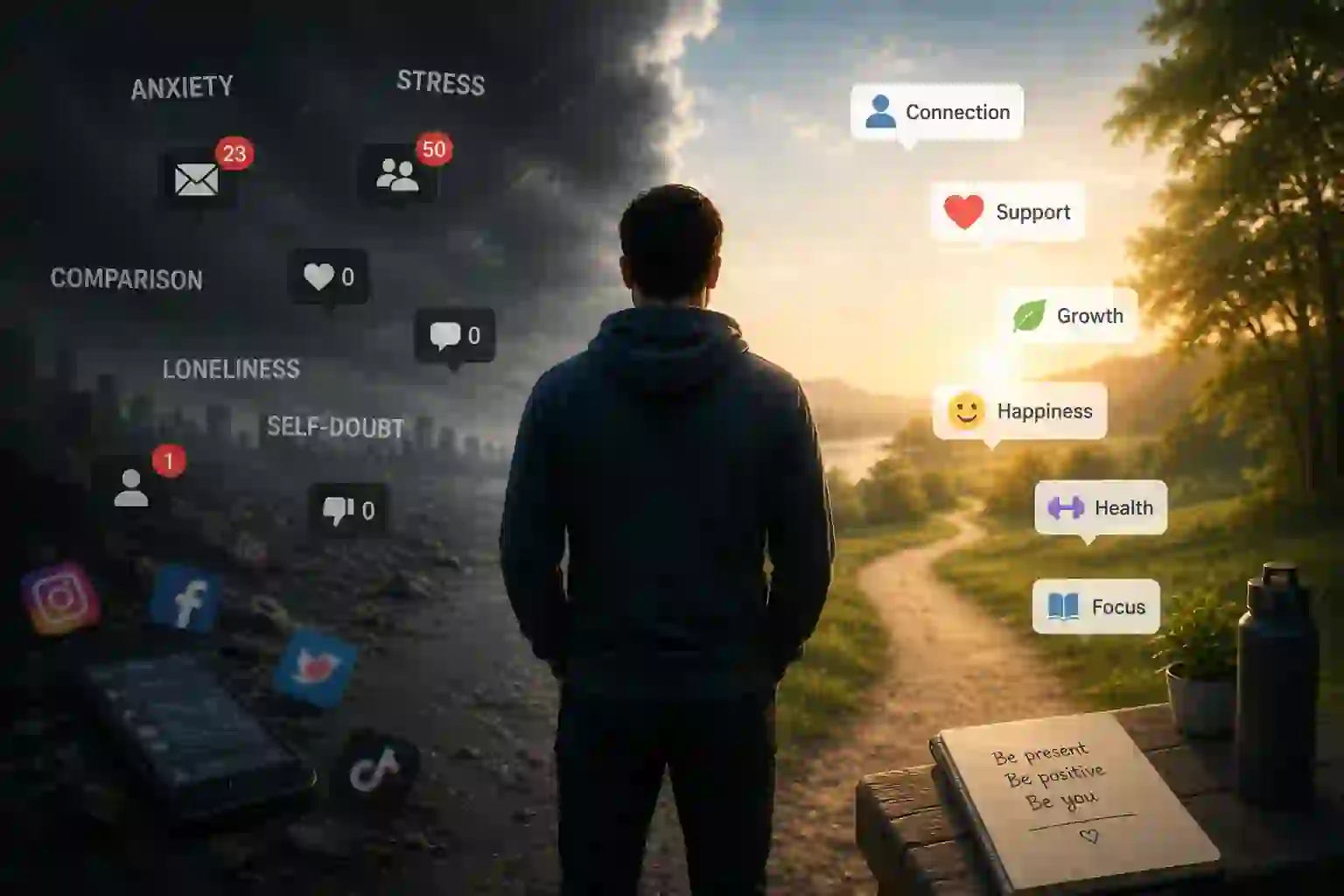
Social Media and Mental Health in Children
Children and teenagers are especially sensitive to social media's effects on developing self-esteem and body image. Social comparison, cyberbullying, and constant notifications can heighten stress and fear of missing out (FOMO), while algorithm-driven feeds may reinforce unhealthy patterns during a critical stage of child development. Research from the American Psychological Association notes that social media is not inherently harmful or beneficial to young people; outcomes depend heavily on each child's personal characteristics and how platforms are used. Still, links between excessive screen time, disrupted sleep quality, and adolescent mental health concerns continue to draw attention from psychologists and pediatricians alike.
Social Media Impact on Adults
Adults are not immune to social media addiction or its emotional toll. Long scrolling sessions can trigger dopamine-driven habit loops, leaving many adults with heightened anxiety, loneliness, or a distorted sense of self-confidence shaped by curated online lives. Work stress, disrupted sleep, and reduced face-to-face social connection are commonly reported effects of social media on mental health in adults, even as the same platforms provide genuine community and support for many users.
Healthy Social Media Habits and Digital Well-Being
Building healthy social media habits starts with setting boundaries around screen time and prioritizing offline activities. A regular digital detox, open family communication about online experiences, and mindfulness practices can strengthen emotional resilience for both children and adults. Parents are encouraged to model balanced technology use, while adults benefit from muting triggering content and scheduling screen-free time before bed to protect sleep and overall mental wellness.
Frequently Asked Questions About Social Media and Mental Health
References
American Psychological Association, "Health Advisory on Social Media Use in Adolescence"
American Psychological Association Monitor, "Social Media Brings Benefits and Risks to Teens"
Yale Medicine, "How Social Media Affects Your Teen's Mental Health: A Parent's Guide"
Important: This article is for educational purposes only and should not replace professional medical advice.
More From This Blog
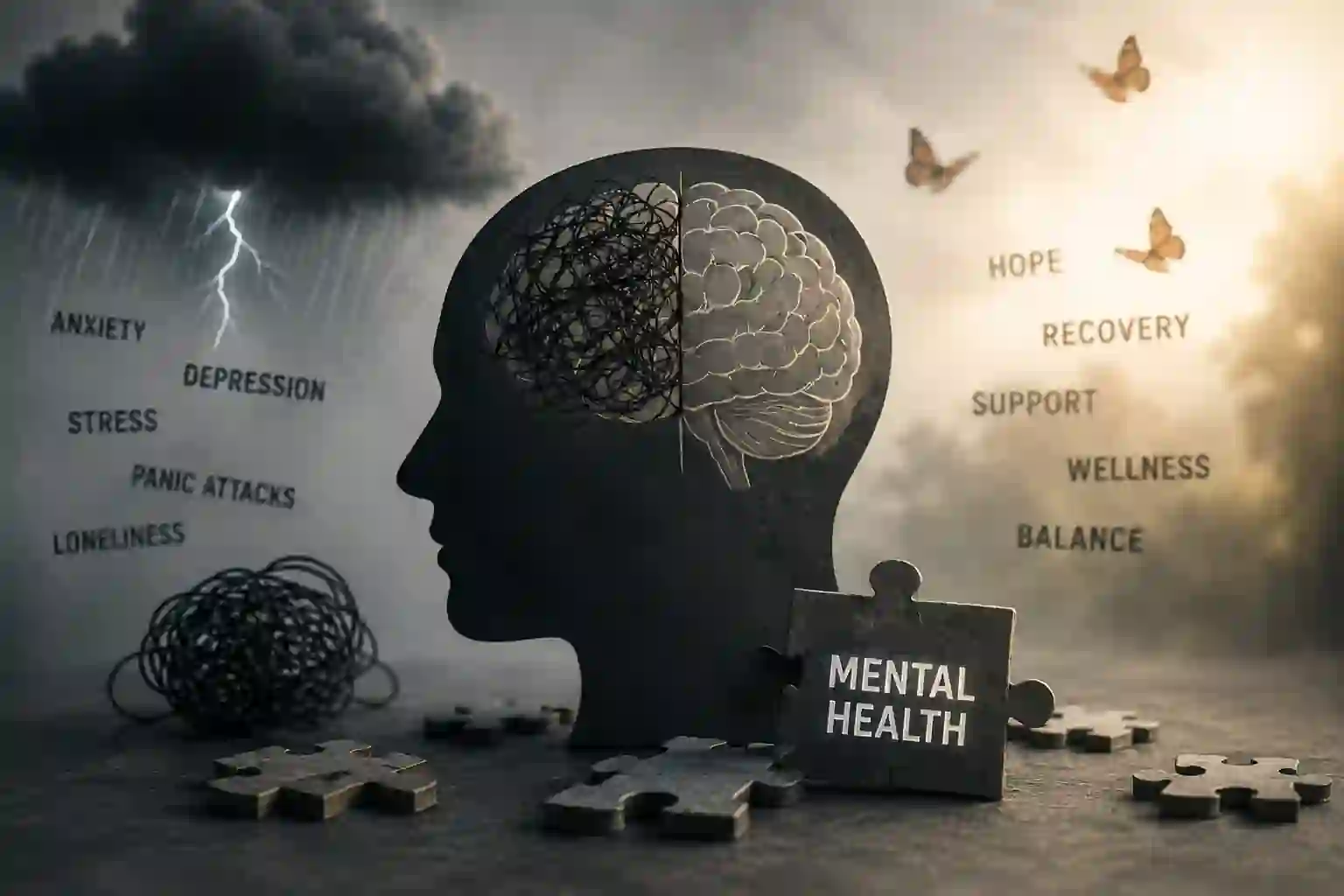

12 Common Mental Health Disorders and Their Symptoms Explained
Without Medication: How to Improve Mental Health Naturally
How Social Media Impacts Mental Health in Children and Adults


mentally exhausted all the time
Signs of burnout
How to Stop Overthinking at Night: Practical Tips for a Calmer Mind

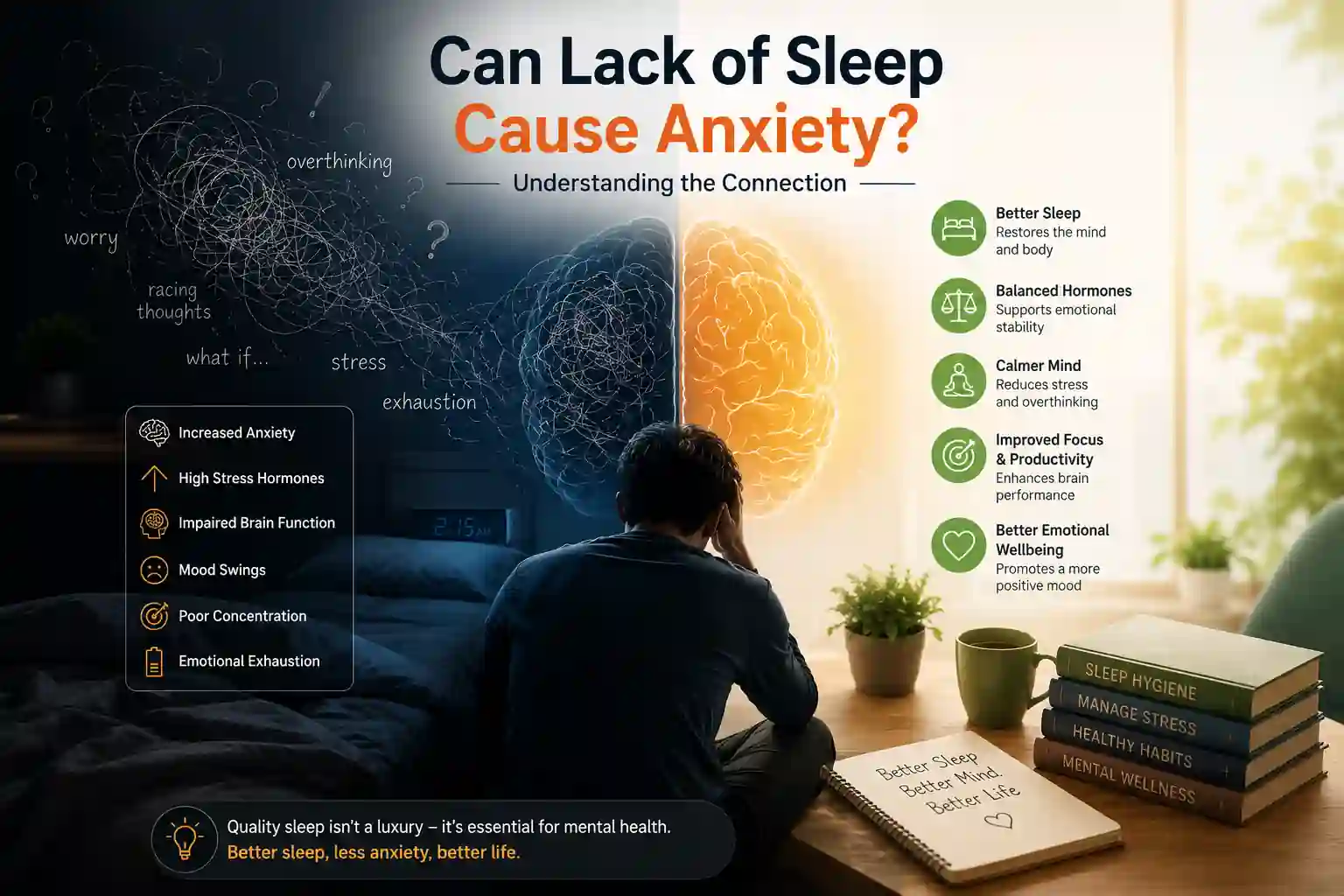
How to Calm Anxiety Before Sleeping Naturally
Can Lack of Sleep Cause Anxiety
Signs You May Need to See a Mental Health Professional