
Signs You May Need to See a Mental Health Professional
Everyday stress comes and goes, but there are moments when emotional strain lingers longer than it should and starts to shape how a person thinks, feels, and functions. Recognizing the signs you need a mental health professional early can make the difference between a short rough patch and a prolonged struggle. This guide walks through the emotional, behavioral, and physical signals that suggest it may be time to reach out for professional mental health support, and how to find the right psychologist or psychiatrist for the situation.
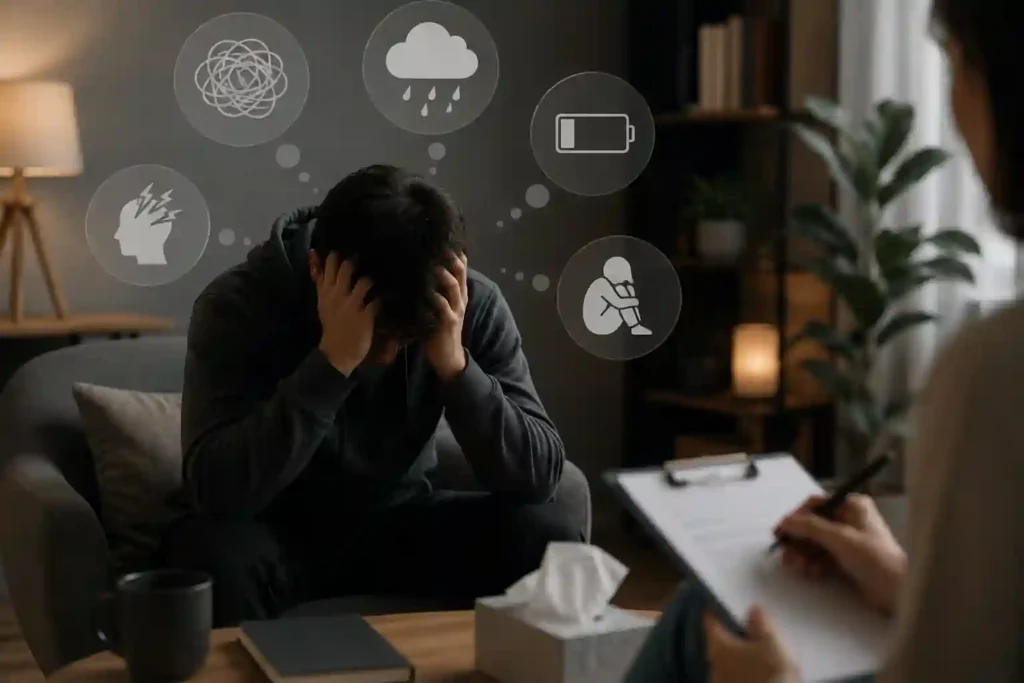
Common Mental Health Warning Signs to Watch For
Mental health symptoms rarely appear all at once. More often, they build gradually, and people around the individual may notice changes before the person does. Understanding these mental health warning signs helps individuals and families know when to seek mental health help rather than waiting for a crisis point.
Emotional and Mood-Related Changes
Persistent sadness that lasts for weeks, irritability that seems disproportionate to the situation, or a sense of hopelessness that doesn't lift are all early signs of mental illness. Anxiety symptoms such as constant worry, racing thoughts, or a sense of dread that appears without an obvious trigger also fall into this category. When these emotional and mental health concerns start coloring most of the day rather than passing within hours, it's a reasonable signal to consult a psychologist.
Behavioral and Social Withdrawal
A noticeable pull away from friends, family, or activities that once brought enjoyment is one of the more visible symptoms of mental health problems. Someone who used to look forward to weekends with loved ones but now avoids gatherings, cancels plans repeatedly, or isolates for long stretches may be dealing with more than ordinary fatigue. Social withdrawal combined with difficulty concentrating at work or school often points toward something that benefits from structured mental health counseling.
Physical Symptoms Tied to Mental Wellbeing
Mental and physical wellbeing are closely linked. Sleep problems, including insomnia or oversleeping, unexplained fatigue, changes in appetite, and frequent headaches or stomach issues without a clear medical cause can all be tied to underlying stress, anxiety, or depression symptoms. Burnout in particular tends to show up physically before it's recognized emotionally, leaving people exhausted even after rest.
Panic Attacks and Intense Episodes
Sudden panic attacks — episodes marked by a racing heart, shortness of breath, and an overwhelming sense of fear — are among the clearer signs you need a psychiatrist or psychologist. These episodes can be frightening and disruptive, and a licensed professional can help identify triggers and build coping skills to reduce their frequency and intensity.
When to See a Mental Health Professional
There isn't a single threshold that applies to everyone, but a useful guideline is this: when mental health symptoms begin interfering with daily functioning, relationships, work, or self-care for more than two weeks, it's time to seek professional mental health support. Persistent mental health symptoms that don't respond to rest, exercise, or talking things through with friends are a strong indicator that professional input would help. Waiting rarely makes things easier, and early intervention through therapy or counseling tends to lead to better long-term outcomes.
Choosing Between a Psychologist and a Psychiatrist
One of the more common questions people have is the difference between a psychologist and a psychiatrist. A licensed psychologist typically provides therapy and psychological assessment, using approaches such as cognitive behavioral therapy (CBT) to help patients build coping skills and emotional regulation. A licensed psychiatrist, on the other hand, is a medical doctor who can diagnose mental illness and, when appropriate, prescribe medication alongside psychiatric consultation. Many individuals benefit from working with both, combining evidence-based mental health treatment with ongoing behavioral health services for a more complete approach to mental wellness counseling.
What to Expect From a Mental Health Assessment
A mental health evaluation usually starts with a conversation about symptoms, daily functioning, sleep, mood, and any relevant history. From there, the mental health specialist may recommend a course of psychological assessment, a treatment plan involving therapy, or a referral for further psychiatric consultation. Reputable mental health clinics and online psychologist or online psychiatrist consultation services aim to make this first step approachable rather than intimidating, since simply starting the conversation is often the hardest part.
Frequently Asked Questions About Mental Health Support
Note: This article is for general informational purposes and is not a substitute for a professional mental health evaluation. Anyone in emotional distress or experiencing a mental health crisis should reach out to a licensed mental health professional or local emergency services.
More From This Blog

12 Common Mental Health Disorders and Their Symptoms Explained
Without Medication: How to Improve Mental Health Naturally
How Social Media Impacts Mental Health in Children and Adults



mentally exhausted all the time
Signs of burnout
How to Stop Overthinking at Night: Practical Tips for a Calmer Mind


How to Calm Anxiety Before Sleeping Naturally
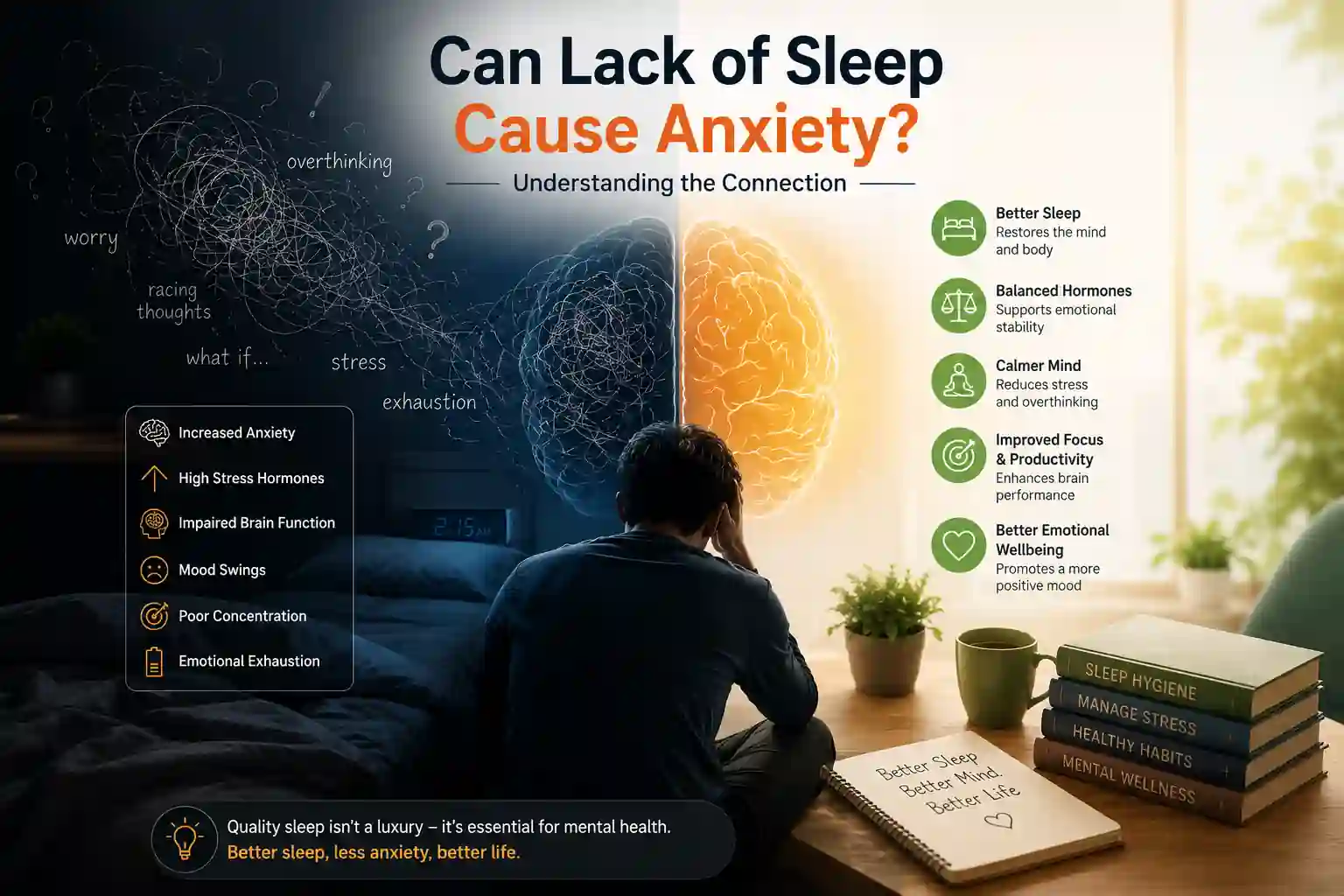
Can Lack of Sleep Cause Anxiety
Signs You May Need to See a Mental Health Professional