
How to Calm Anxiety Before Sleeping Naturally
For many people, nighttime is when anxiety feels loudest. Once the day's distractions fade, the mind is free to replay worries, and racing thoughts can make it hard to drift off. Learning how to calm anxiety before sleeping naturally can turn those restless nights into calmer, more restful ones — without relying on medication as a first step.

Why Anxiety Gets Worse at Night
As the sympathetic nervous system winds down for most people in the evening, those with anxiety often experience the opposite: cortisol stays elevated while melatonin struggles to rise, keeping the body alert when it should be settling. This imbalance is common in generalized anxiety disorder and panic disorder, and it explains why nighttime anxiety symptoms like a racing heart or overthinking at night feel so persistent.
Body-Based Techniques to Relax Before Bedtime
Deep breathing exercises are one of the fastest ways to reduce anxiety before sleeping. A slow four-count inhale, brief hold, and longer exhale signals safety to the nervous system. Box breathing works similarly and is often used by mental health professionals for quick stress relief. Progressive muscle relaxation, which involves tensing and releasing each muscle group, is another proven way to release physical tension linked to panic before sleep. A warm shower and gentle stretching before bed round out a simple body-focused routine that supports healthy sleep habits.
Mindfulness and Mental Techniques for Nighttime Anxiety Relief
Mindfulness meditation and guided meditation help the mind observe racing thoughts at night without getting pulled into them. Writing a quick "brain dump" journal entry can also stop overthinking at night from looping once the lights go off. For those who tend to catastrophize, gently questioning anxious thoughts — a technique borrowed from Cognitive Behavioral Therapy (CBT) — can quiet the mind and make it easier to sleep peacefully with anxiety.
Sleep Hygiene Habits That Support Restful Sleep
Good sleep hygiene starts with a consistent sleep routine that supports the body's circadian rhythm. Limiting screens before bed protects natural melatonin production, while avoiding caffeine and heavy meals late in the day reduces physical symptoms that worsen bedtime anxiety. Keeping the bedroom cool, dark, and reserved only for sleep also helps the brain associate the bed with rest rather than stress management.
When to Consider Professional Support
Natural techniques provide meaningful nighttime anxiety relief for many, but persistent or severe symptoms may call for professional anxiety treatment. A psychologist or psychiatrist can help identify root causes and build a personalized plan, often using CBT therapy for anxiety or Acceptance and Commitment Therapy (ACT). Those exploring options often search for online anxiety therapy, an online psychologist consultation, or a sleep therapist near by, while others prefer visiting a local anxiety treatment clinic. Some also look into best sleep supplements for anxiety or a guided sleep meditation app as a bridge toward mental wellness, ideally under professional guidance rather than guesswork.
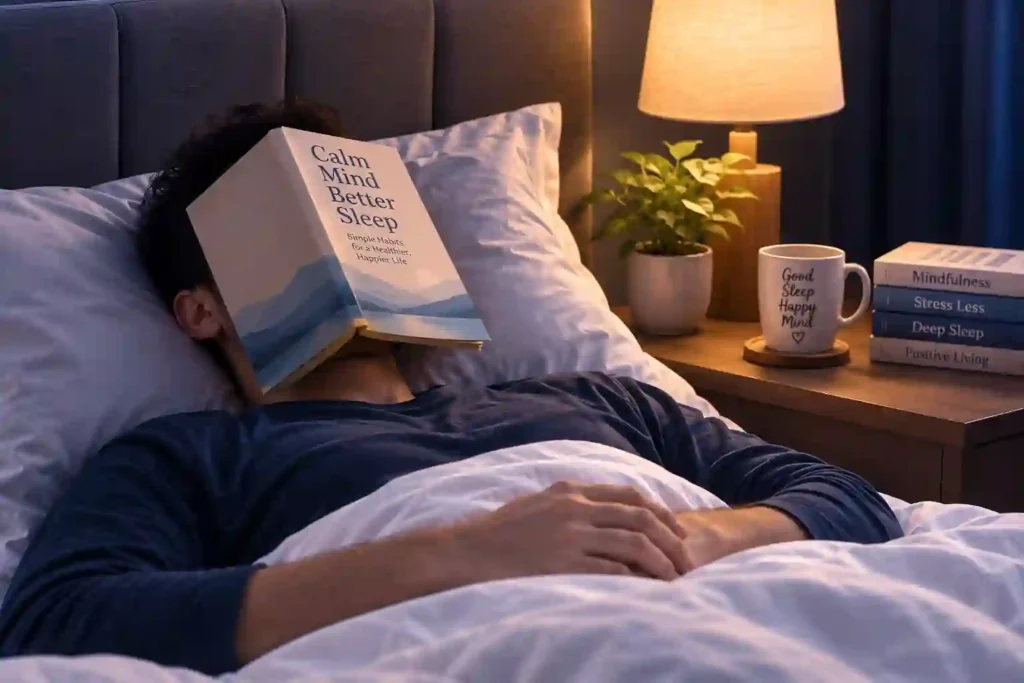
Frequently Asked Questions About Nighttime Anxiety Relief
How can someone calm anxiety naturally before sleep?
Deep breathing, mindfulness meditation, and a consistent sleep routine are effective starting points for reducing anxiety before sleeping without medication.
Why does anxiety feel worse right before bed?
With fewer daytime distractions, the mind has more room to process stress, and elevated cortisol can override the body's natural push toward rest.
When should someone consult a psychiatrist online instead of using self-help methods?
If nighttime anxiety or insomnia persists for several weeks and affects daily functioning, it's a good time to book anxiety counseling or schedule a psychologist appointment.
Can therapy and natural techniques be used together?
Yes. Many people combine online therapy for anxiety with natural strategies like progressive muscle relaxation for more lasting results.
How does someone find an anxiety therapist near by?
Searching for a licensed provider experienced in anxiety and sleep, checking for online CBT therapy options, and booking an initial consultation are good first steps.
What is the fastest way to get anxiety relief before sleep tonight?
Box breathing or a few minutes of deep breathing exercises typically bring the quickest calm, even before longer-term habits take effect.
Final Thoughts
Calming anxiety before sleeping naturally comes down to consistency: a few small, repeatable habits practiced nightly do more than any single trick. When those habits aren't enough, reaching out to a mental health professional is a practical, supported next step toward restful sleep.
More From This Blog


12 Common Mental Health Disorders and Their Symptoms Explained
Without Medication: How to Improve Mental Health Naturally
How Social Media Impacts Mental Health in Children and Adults
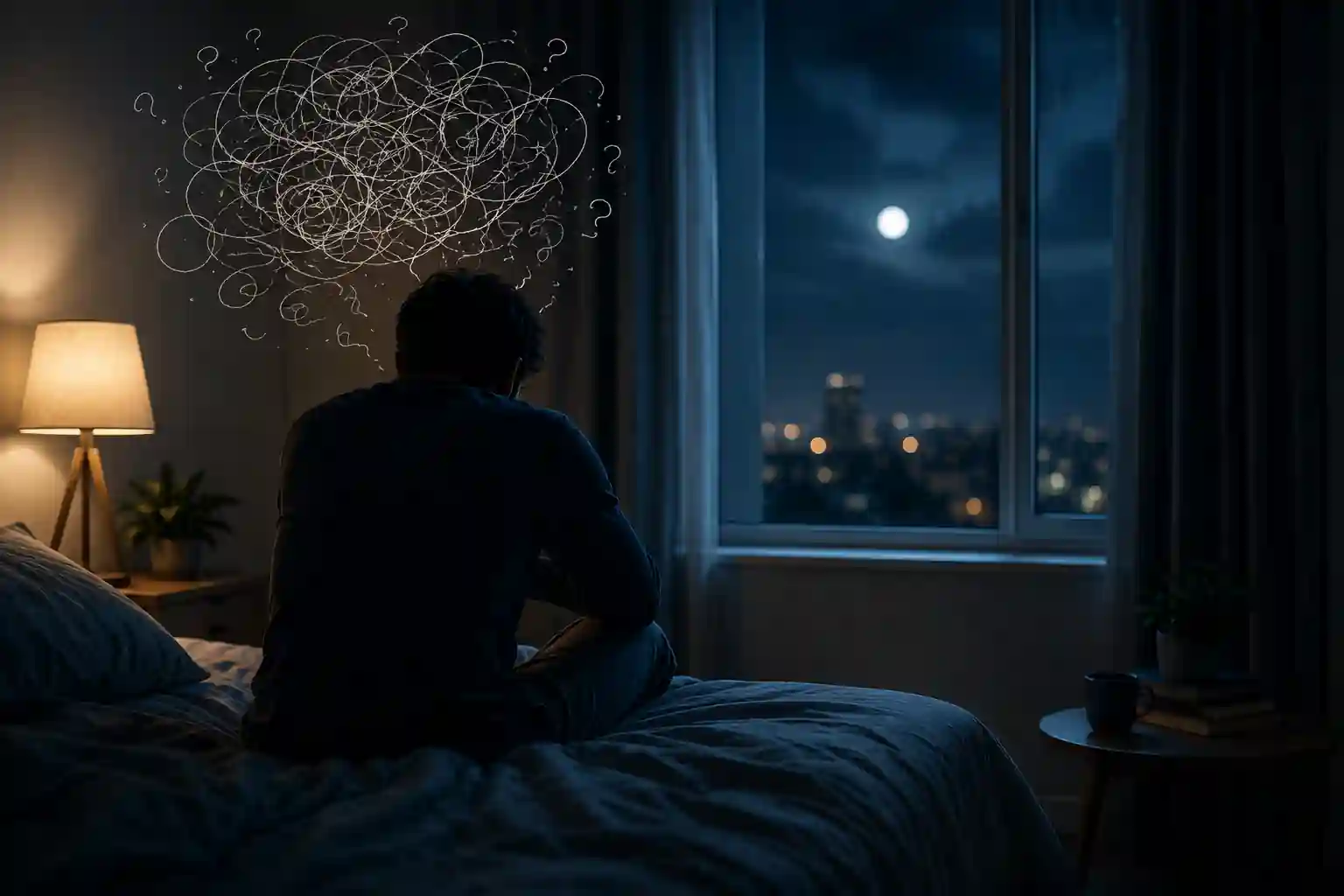
mentally exhausted all the time
Signs of burnout
How to Stop Overthinking at Night: Practical Tips for a Calmer Mind
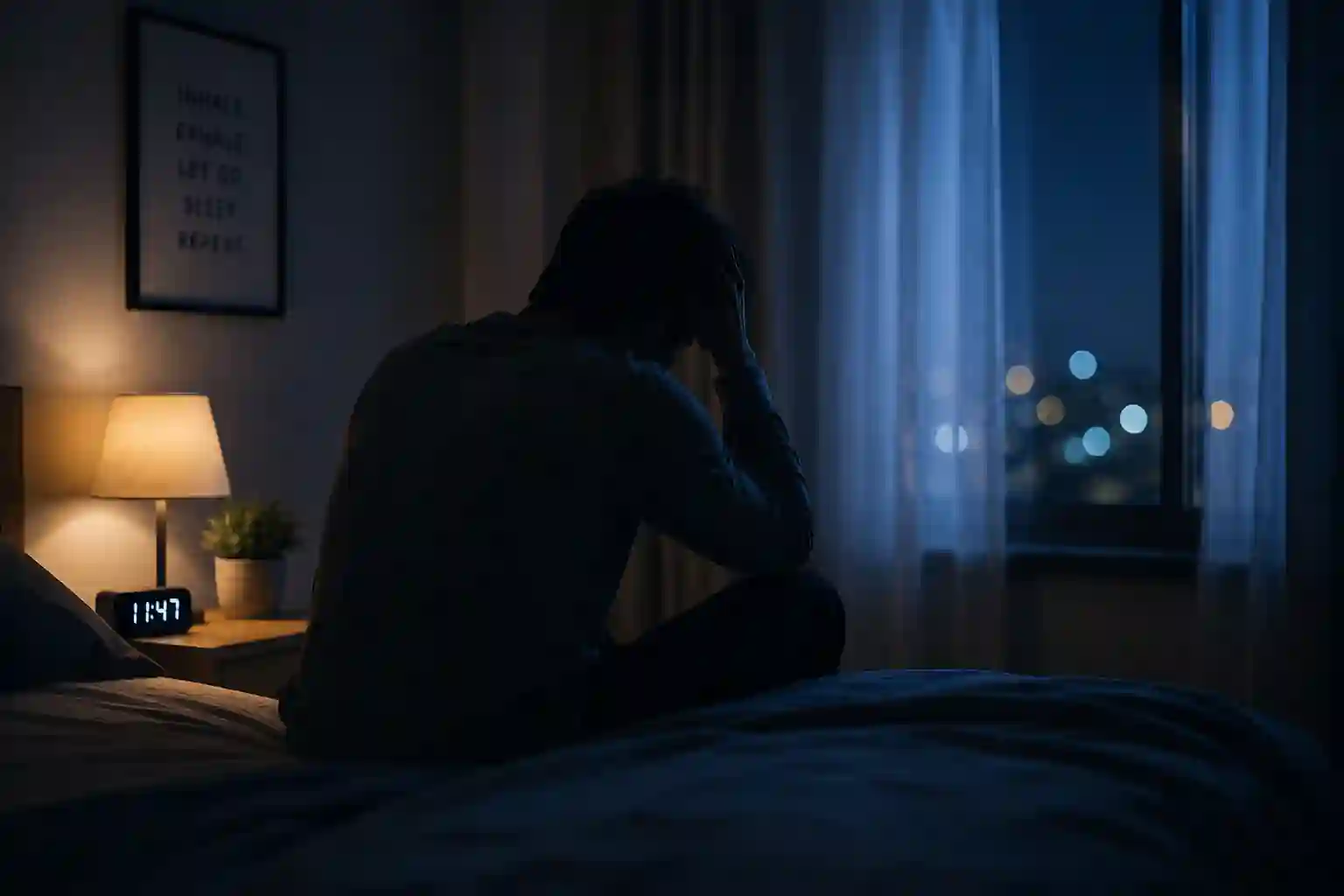
How to Calm Anxiety Before Sleeping Naturally
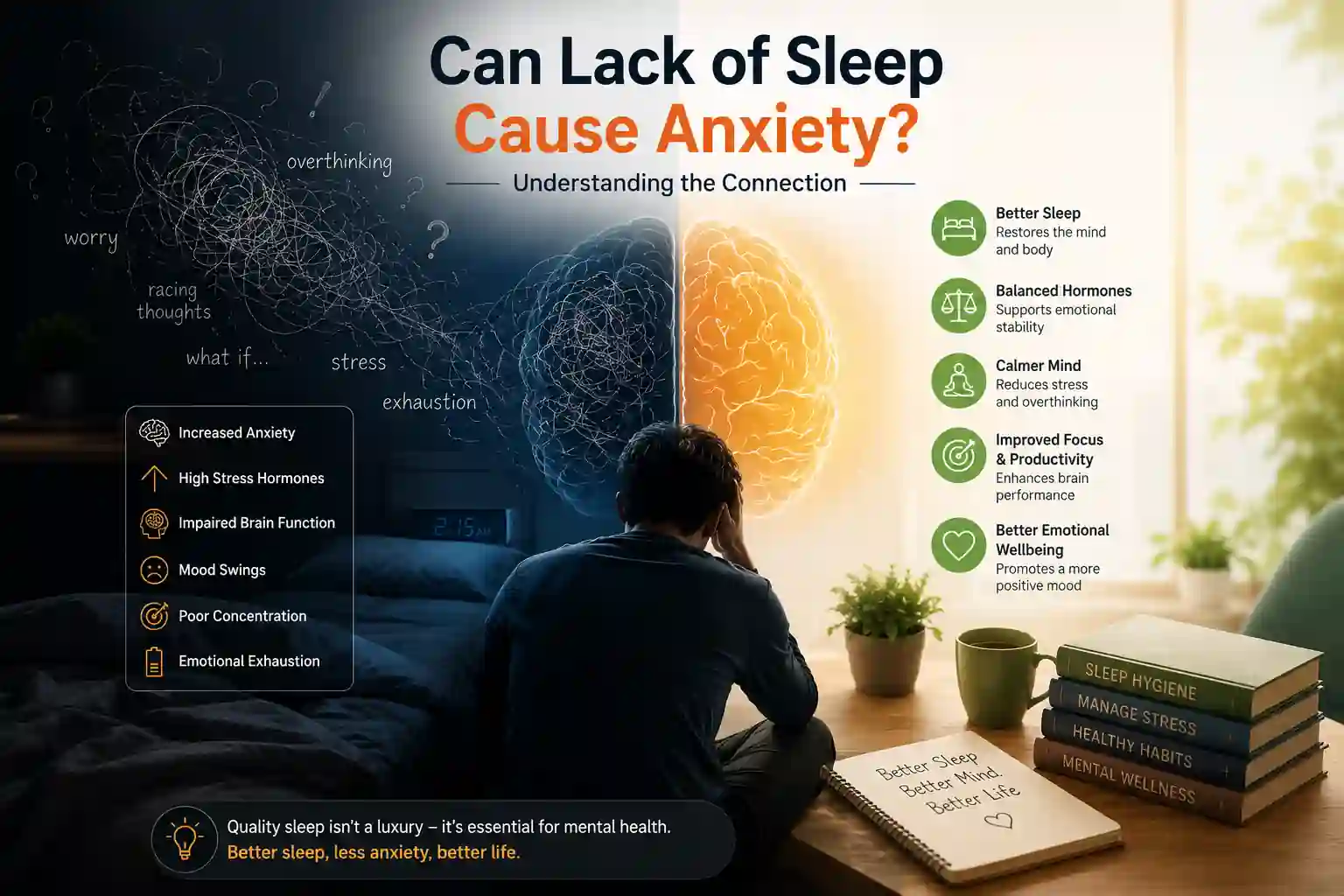
Can Lack of Sleep Cause Anxiety
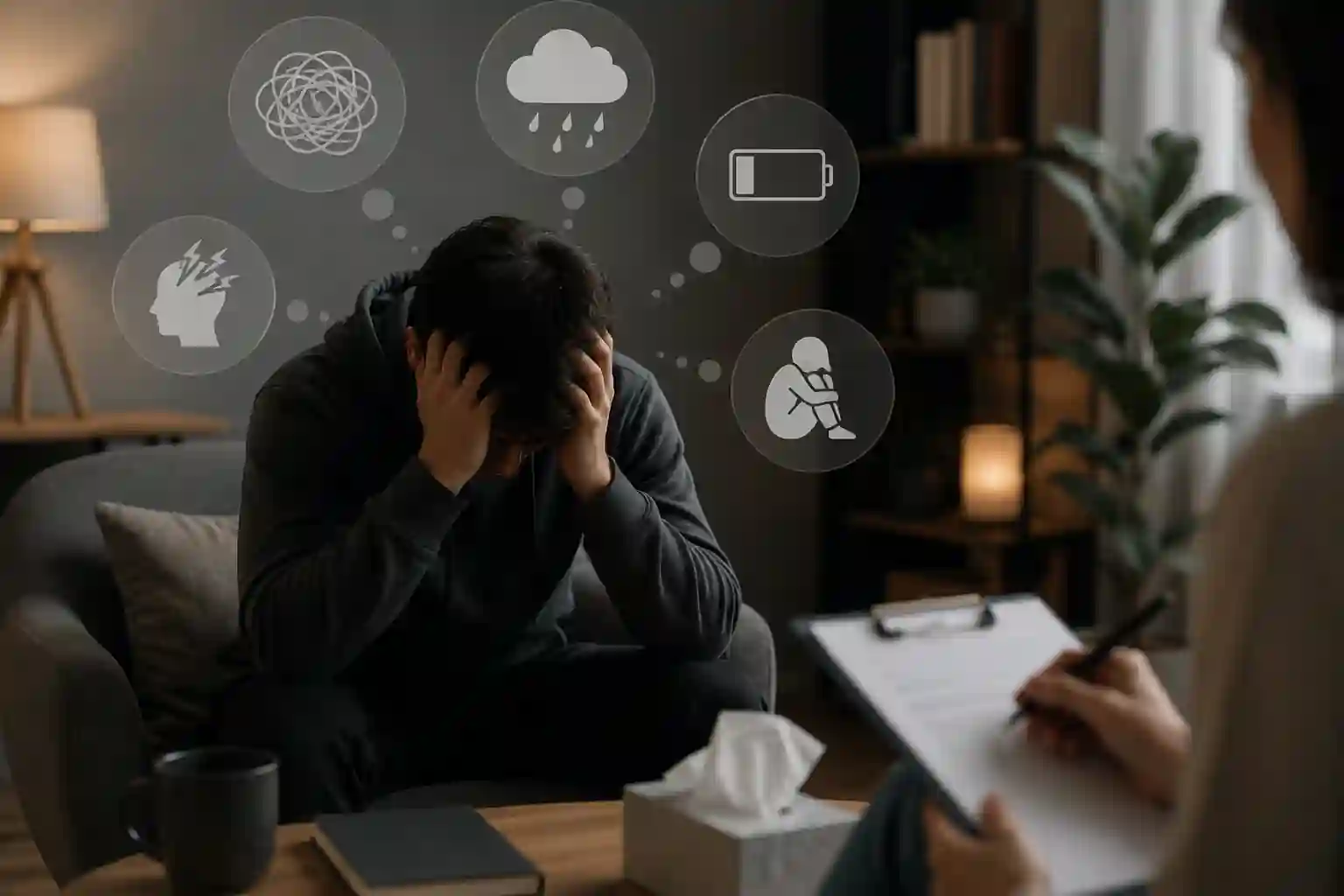
Signs You May Need to See a Mental Health Professional