
Why Do I Feel Mentally Exhausted All the Time? Causes and Recovery Tips
Feeling mentally exhausted all the time is one of the most common complaints among adults balancing work, family, and daily responsibilities. Constant mental exhaustion often builds quietly, showing up as brain fog, low motivation, and a persistent sense of being emotionally and mentally exhausted long before it's fully recognized. Understanding why this happens — and what actually helps — is the first step toward lasting recovery.

Causes of Mental Exhaustion
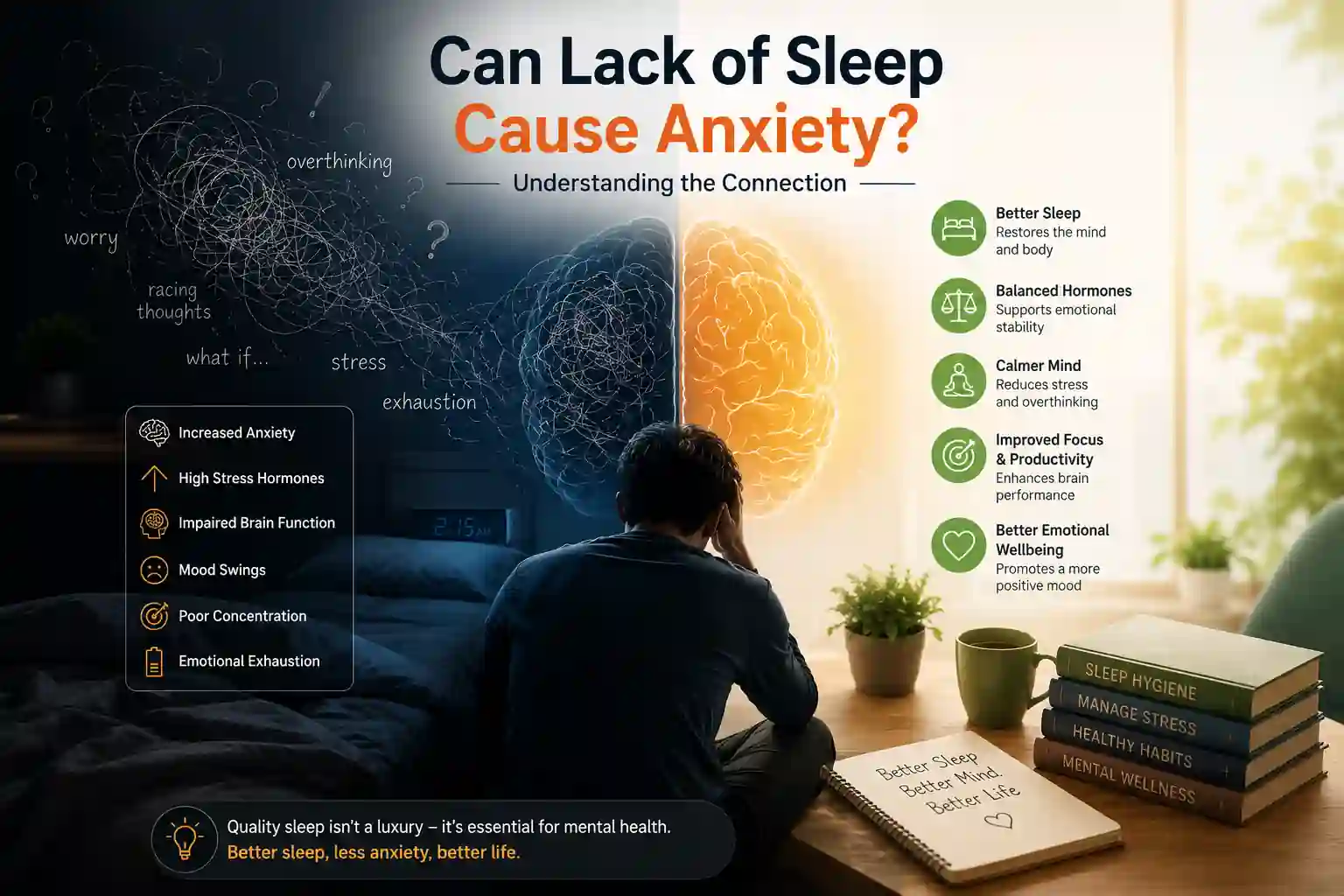
The causes of mental exhaustion vary from person to person, but chronic stress, sleep deprivation, and cognitive overload are frequent contributors. Work-related stress and decision fatigue can overwhelm the brain's limited capacity for focus, while poor sleep prevents the nervous system from properly resetting overnight. Mental exhaustion and stress often feed one another: prolonged cortisol release keeps the amygdala on high alert while dulling activity in the prefrontal cortex, the region responsible for concentration and decision-making. Mental exhaustion and anxiety frequently overlap as well, since both involve an overactive stress response that leaves the mind and body depleted.
Signs of Mental Exhaustion
Common mental burnout symptoms include brain fog, irritability, feeling drained all the time, and difficulty completing simple tasks. Some people also notice reduced motivation, emotional numbness, or trouble sleeping despite feeling tired. Recognizing these signs of mental exhaustion early can prevent a slide into deeper burnout.
How to Recover From Mental Exhaustion
Restoring Mental Energy Through Rest and Routine
Learning how to recover from mental exhaustion often starts with prioritizing sleep, since sleep deprivation directly undermines memory, mood, and focus. Establishing a consistent routine helps regulate the nervous system and supports steadier energy throughout the day.
Mindfulness and Stress Management Techniques
Mindfulness meditation, deep breathing exercises, and progressive muscle relaxation activate the parasympathetic nervous system, easing the body out of prolonged stress. Combined with healthy boundaries and better work-life balance, these stress management habits build mental resilience over time and support how to regain mental energy naturally.
When to Seek Professional Mental Health Support
When self-care isn't enough, mental exhaustion treatment through professional mental health support can make a real difference. Cognitive behavioral therapy (CBT) helps address the thought patterns that fuel chronic stress, while a licensed psychologist or licensed psychiatrist can evaluate whether symptoms point toward an anxiety disorder, generalized anxiety disorder (GAD), or depression. Burnout recovery programs, employee assistance programs, and executive wellness coaching are increasingly offered through workplace mental wellness programs for those needing structured support.
Frequently Asked Questions About Mental Exhaustion
Reference
Content Note:This article is intended for educational and informational purposes only and should not be considered a substitute for professional medical advice, diagnosis, or treatment. Feeling mentally exhausted from time to time is common, especially during periods of prolonged stress, lack of sleep, or emotional challenges.
More From This Blog



12 Common Mental Health Disorders and Their Symptoms Explained
Without Medication: How to Improve Mental Health Naturally
How Social Media Impacts Mental Health in Children and Adults



mentally exhausted all the time
Signs of burnout
How to Stop Overthinking at Night: Practical Tips for a Calmer Mind


How to Calm Anxiety Before Sleeping Naturally
Can Lack of Sleep Cause Anxiety
Signs You May Need to See a Mental Health Professional