
Health Anxiety Cure: Symptoms, Causes, and Treatment Options
Finding an effective health anxiety cure starts with understanding what the condition actually is, since constant worry about health rarely responds to reassurance alone. Health anxiety, also known as illness anxiety disorder or hypochondria, involves a persistent fear of having a serious illness even when medical tests come back clear. Learning how to cure health anxiety generally means addressing the underlying thought patterns that drive the fear, rather than chasing further tests or opinions.
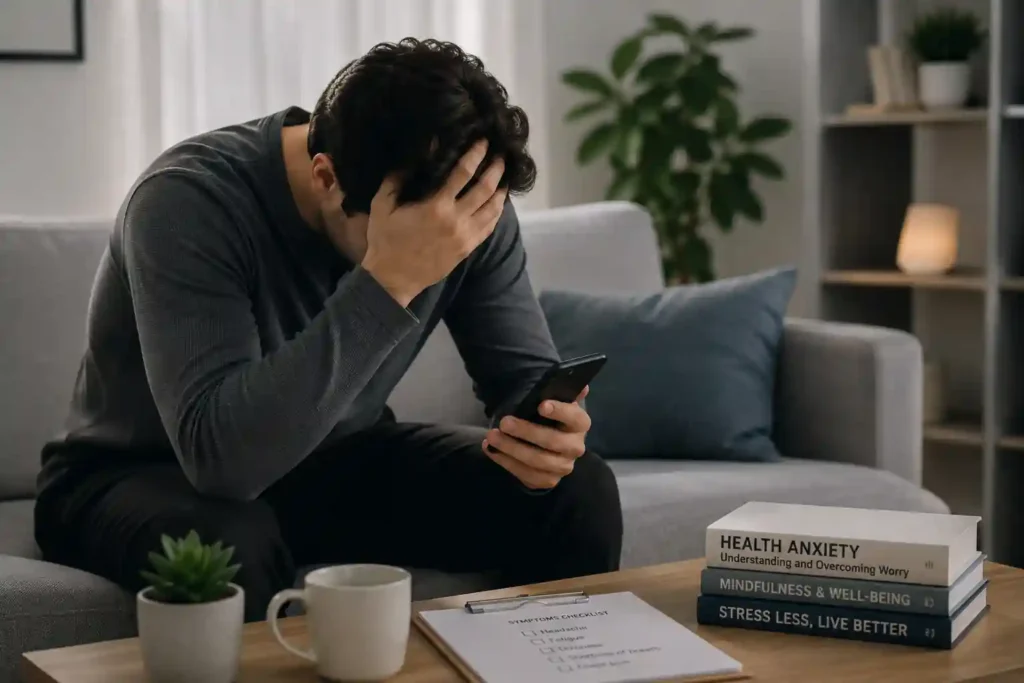
What Is Health Anxiety?
What is health anxiety, in clinical terms? According to Mayo Clinic, illness anxiety disorder involves excessive worry about having or developing a serious condition based on minor or even normal bodily sensations, and the distress it causes can significantly disrupt daily life. Someone with a health anxiety disorder may interpret a headache as a brain tumor or a racing heart as a cardiac event, even after a doctor has ruled out anything physically wrong. This pattern is closely related to generalized anxiety disorder (GAD), obsessive-compulsive disorder (OCD), panic disorder, and somatic symptom disorder, all of which share overlapping features with medical anxiety.
Health Anxiety Symptoms to Recognize
Health anxiety symptoms tend to build gradually and often masquerade as caution rather than fear.
Common signs of illness anxiety disorder include:
Frequent body scanning for new or worsening symptoms
Repeated reassurance seeking from doctors, family, or search engines
Catastrophic thinking about minor physical sensations
Health anxiety and panic attacks triggered by physical symptoms
Avoidance of medical news, hospitals, or health-related conversations
Persistent hypochondria symptoms despite negative test results
Many people experiencing this ask themselves, "why am I always worried about my health," without realizing the answer often lies in cognitive distortions rather than any physical danger.
Health Anxiety Causes
Health anxiety causes are rarely a single factor. A personal or family history of serious illness, a stressful major health scare, general anxiety and stress, or a tendency toward catastrophic thinking can all contribute. The National Institute of Mental Health notes that anxiety disorders as a group involve worry that persists across situations and tends to worsen over time rather than resolve on its own, which mirrors how health-related anxiety often develops and lingers without treatment.
How to Overcome Health Anxiety
How to overcome health anxiety comes down to interrupting the cycle of fear, body scanning, and reassurance seeking. Coping with health anxiety often includes:
Mindfulness and mindfulness meditation to observe worry without acting on it
Deep breathing and other relaxation techniques during panic attacks
Progressive muscle relaxation to reduce physical tension
Structured healthy coping strategies instead of repeated symptom checking
These tools support health anxiety recovery, but they work best alongside professional guidance rather than as a replacement for it.
Frequently Asked Questions About Health Anxiety Treatment
References
Mayo Clinic. (2021). Illness Anxiety Disorder – Symptoms and Causes.
National Institute of Mental Health. Anxiety Disorders.
Anxiety and Depression Association of America. What is Health Anxiety (Illness Anxiety Disorder)?
More From This Blog


12 Common Mental Health Disorders and Their Symptoms Explained
Without Medication: How to Improve Mental Health Naturally
How Social Media Impacts Mental Health in Children and Adults



mentally exhausted all the time
Signs of burnout
How to Stop Overthinking at Night: Practical Tips for a Calmer Mind

How to Calm Anxiety Before Sleeping Naturally
Can Lack of Sleep Cause Anxiety
Signs You May Need to See a Mental Health Professional