
Without Medication: How to Improve Mental Health Naturally
Written By:
Health Fronteir Editorial Team
Last Updated:
July 30,2026
Reading Time:
3 Minutes
Reference-Based Content
This article is based on guidance from WHO,Nims,apa
Millions of people search for ways to improve mental health naturally, often looking for options that sit alongside — or come before — a prescription pad. While medication remains essential for many, a growing body of research shows that natural ways to improve mental health can meaningfully support mental wellness for those managing everyday stress, mild anxiety, or low mood. This guide brings together evidence-based habits that individuals can build into daily life to strengthen emotional well-being and mental health without medication wherever that path is appropriate.
Quick Summary
Improving mental health naturally means combining consistent movement, restful sleep, balanced nutrition, mindfulness, and social connection to regulate mood-related brain chemistry. These natural mental health remedies won't replace professional care for diagnosed conditions, but they build resilience and complement treatment when used alongside it.
Key Takeaways
✅Consistent exercise supports serotonin, dopamine, and endorphin levels linked to mood regulation.
✅Prioritizing sleep is one of the fastest ways to improve emotional resilience and reduce stress.
✅Mindfulness and deep breathing lower cortisol and build lasting coping skills.
✅Social connection and gratitude practices are strongly associated with better long-term mental wellness.

Understanding Natural Mental Health Remedies
Mental wellness rarely comes from a single fix. It's shaped by sleep quality, physical activity, diet, thought patterns, and relationships working together. According to the National Institute of Mental Health, small acts of self-care — regular movement, balanced meals, and a consistent sleep schedule — can lower the risk of illness and increase energy levels over time<cite index="3-1">, with just 30 minutes of walking able to boost mood and improve overall health</cite>. This is the foundation of any holistic mental health approach: small, repeatable habits rather than dramatic overhauls.
Exercise and Physical Activity
Regular movement is one of the most researched natural mood boosters available. Physical activity encourages the release of endorphins, serotonin, and dopamine — the same brain chemicals that regulate emotion and are targeted by many medications. The World Health Organization notes that mental health is shaped by a mix of biological, social, and environmental factors, and that cost-effective public health interventions exist to help protect and restore it<cite index="11-1">, since mental health is an integral part of health and there is no health without it</cite>. Walking, cycling, swimming, or even short daily stretches can support exercise for depression and everyday anxiety relief.
Sleep and Emotional Well-Being
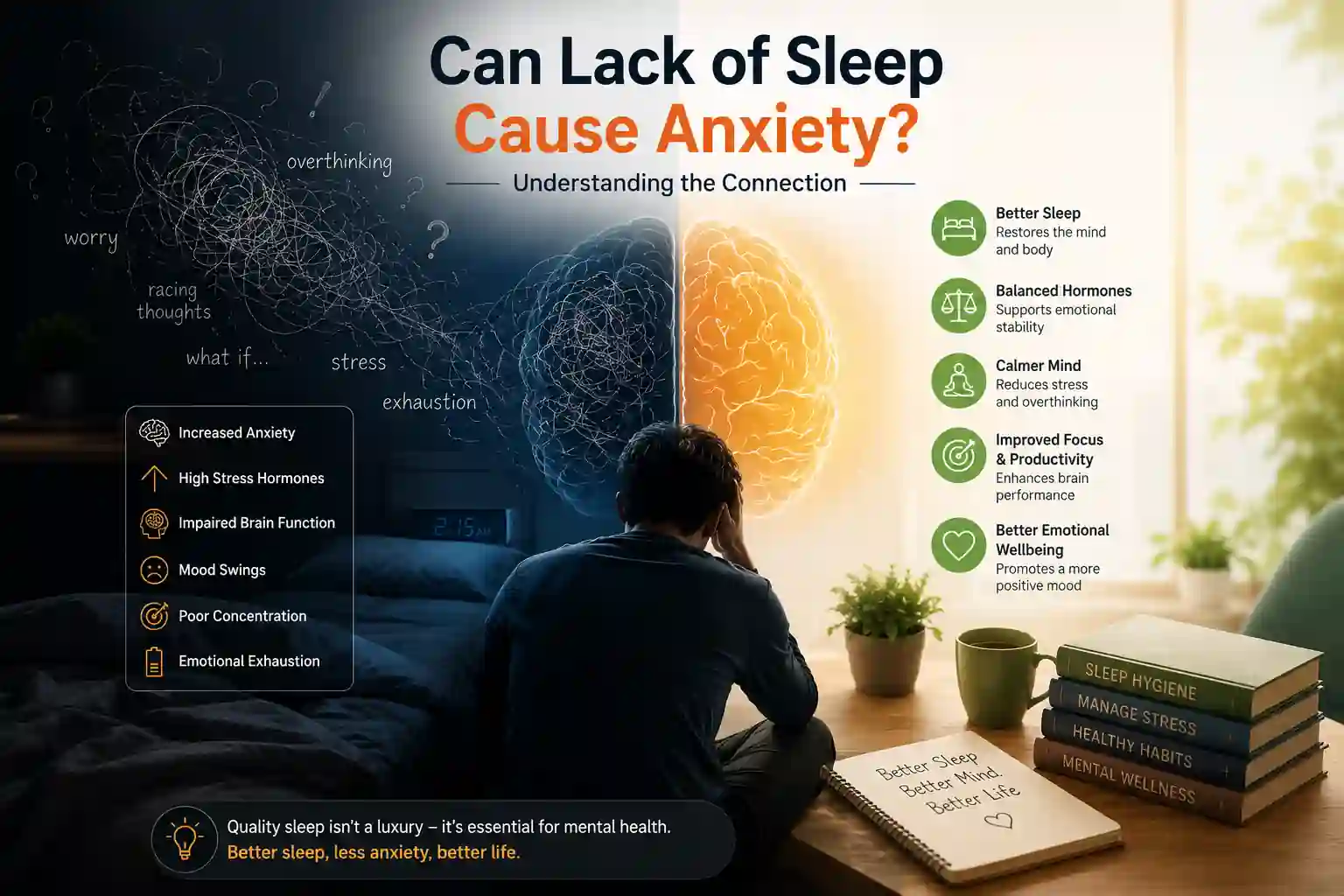
Quality rest directly affects mood regulation, memory, and stress tolerance. Individuals who prioritize a consistent sleep schedule often notice measurable gains in emotional resilience and daytime focus. Poor sleep, by contrast, tends to amplify irritability and anxious thinking, making sleep and mental wellness one of the simplest levers available for those seeking change.
Nutrition, Hydration, and Brain Health
A healthy diet rich in whole foods, paired with steady hydration, helps stabilize blood sugar and energy — both of which influence mood. Reducing excess caffeine and alcohol can also ease anxiety symptoms for many individuals, supporting long-term brain health and steadier emotional responses throughout the day.
Mindfulness, Meditation, and Deep Breathing
Mindfulness practices — including meditation, deep breathing, and simple grounding exercises — activate the body's relaxation response and can lower cortisol, the primary stress hormone. Even a few minutes of daily meditation can help build coping skills for managing intrusive or anxious thoughts, making it a cornerstone of natural stress management.
Gratitude, Positive Thinking, and Social Connection
Practicing gratitude and reframing negative thoughts — a technique closely related to Cognitive Behavioral Therapy (CBT) — can shift long-term thought patterns toward positive thinking. Equally important is social connection: maintaining relationships and seeking support from others is consistently linked to stronger emotional resilience and lower rates of depression.
Digital Detox and Work-Life Balance
Constant screen exposure and blurred work-life balance contribute to chronic stress for many individuals. Scheduling regular digital detox periods — even short, screen-free evenings — gives the nervous system space to recover and supports a more sustainable daily habits for mental health routine.
Frequently Asked Questions About Improving Mental Health Naturally
References
National Institute of Mental Health — Caring for Your Mental Health:
World Health Organization — Mental Health: Strengthening Our Response:
American Psychological Association — Healthy Ways to Handle Life's Stressors:
Important: This article is for educational purposes only and should not replace professional medical advice, diagnosis, or treatment.
More From This Blog


12 Common Mental Health Disorders and Their Symptoms Explained
Without Medication: How to Improve Mental Health Naturally
How Social Media Impacts Mental Health in Children and Adults



mentally exhausted all the time
Signs of burnout
How to Stop Overthinking at Night: Practical Tips for a Calmer Mind


How to Calm Anxiety Before Sleeping Naturally
Can Lack of Sleep Cause Anxiety
Signs You May Need to See a Mental Health Professional