
When Is Anxiety Normal and When Should You Worry?
Nearly everyone feels anxious sometimes — before a big presentation, a first date, or a difficult conversation. That kind of anxiety is a normal response to stress and usually fades once the situation passes. The harder question is knowing when is anxiety normal and when it has crossed into something that needs professional attention. Understanding the difference between everyday anxiety and an anxiety disorder can help individuals recognize warning signs early and seek support before anxiety symptoms take over daily life.

Normal Anxiety vs. Anxiety Disorder
Mild, occasional worry is the brain's built-in alarm system doing its job. The amygdala triggers a fight-or-flight response, releasing cortisol and adrenaline to help the body react to a real or perceived threat, then the nervous system settles back down once the trigger passes. This is normal stress, not a mental health condition.An anxiety disorder is different. According to the National Institute of Mental Health (NIMH), generalized anxiety disorder (GAD) involves excessive worry about everyday events that occurs on most days for at least six months and is difficult to control. When persistent anxiety lingers long after a trigger has gone, or shows up with no clear cause at all, it may signal a diagnosable condition rather than everyday anxiety.
Recognizing Anxiety Warning Signs
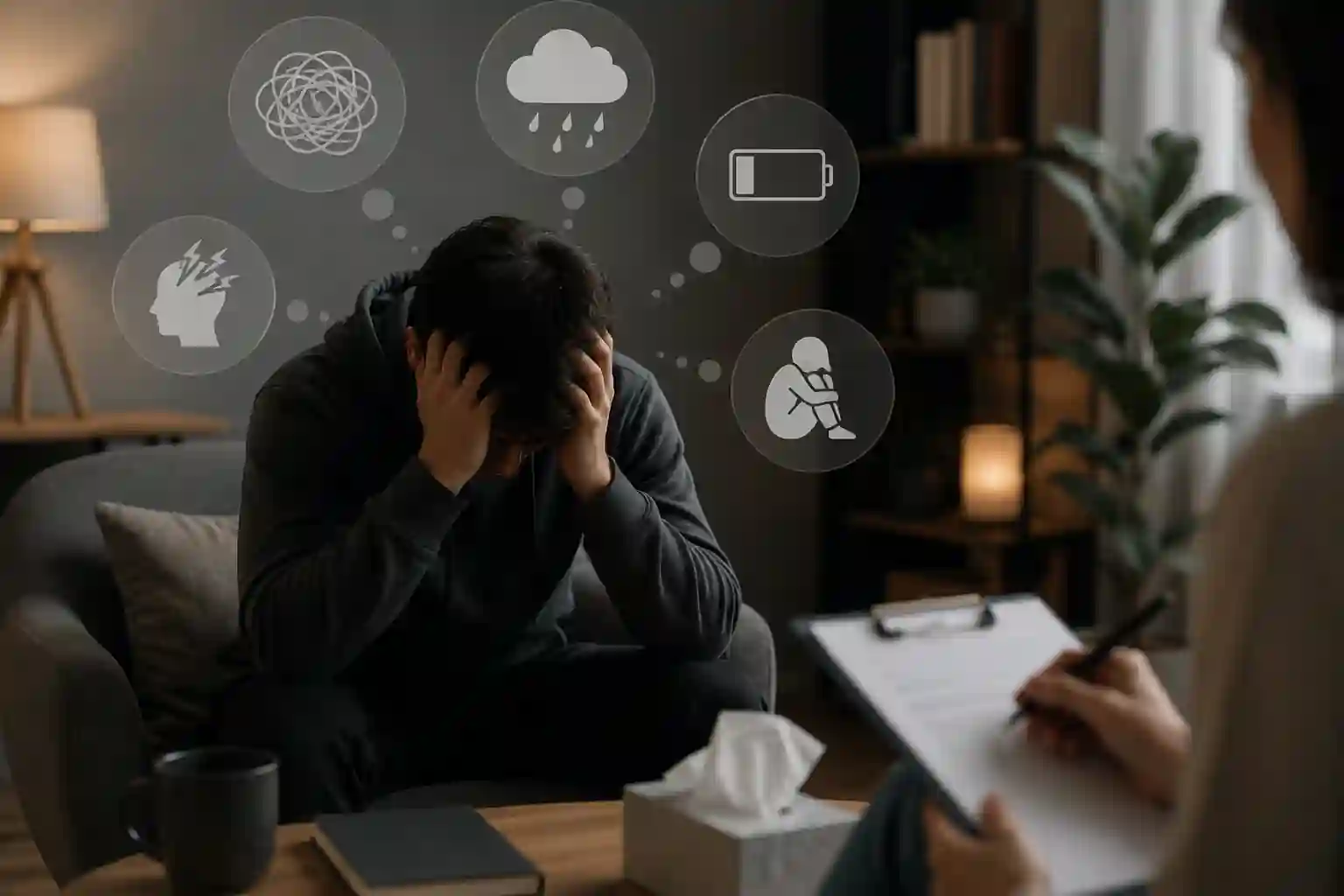
Chronic anxiety symptoms tend to fall into two categories: emotional and physical. Emotional symptoms of anxiety include constant worry, irritability, and difficulty concentrating, while physical symptoms of anxiety often include a racing heart, muscle tension, fatigue, and trouble sleeping. High-functioning anxiety can be harder to spot, since those affected may still perform well at work or school while privately struggling with distress and exhaustion.
Severe anxiety symptoms — panic attacks, a persistent sense of dread, or avoidance of everyday situations — are stronger indicators that anxiety and daily life have become tangled in a way that's worth addressing with a professional.
How Much Anxiety Is Too Much?
There's no single line that separates mild anxiety vs. severe anxiety for everyone, since triggers, coping strategies, and resilience vary from person to person. As a general guide, anxiety is worth discussing with a professional when it disrupts sleep, relationships, or work performance, or when someone begins avoiding situations just to prevent feeling anxious. NIMH data shows that about a third of U.S. adults experience an anxiety disorder at some point in their lives, so persistent anxiety is common — and treatable, not something to face alone.
Getting an Anxiety Diagnosis and Finding Support
A licensed psychologist or psychiatrist can perform a mental health evaluation, sometimes starting with an anxiety screening test, to determine whether symptoms meet the criteria for generalized anxiety disorder, panic disorder, social anxiety disorder, or another condition. Evidence-based anxiety treatment often includes Cognitive Behavioral Therapy (CBT), which helps patients identify and reframe anxious thought patterns, along with approaches like Acceptance and Commitment Therapy (ACT) or, in some cases, exposure therapy. For select patients, a psychiatrist may also discuss medication options such as SSRIs alongside therapy.
Many people begin with online anxiety therapy or an online psychologist consultation for convenience, while others prefer visiting a mental health clinic in person for ongoing anxiety counseling. Choosing a qualified anxiety specialist with experience in behavioral health services generally leads to a more accurate anxiety diagnosis and a more effective, personalized treatment plan than self-diagnosis alone.
Frequently Asked Questions About Anxiety
How do I know if my anxiety is normal or a disorder?
Occasional worry tied to a specific event is normal. Persistent anxiety lasting six months or more, or anxiety that interferes with daily life, may indicate an anxiety disorder worth discussing with a professional.
What are early signs of an anxiety disorder?
Early signs include ongoing worry that's hard to control, restlessness, fatigue, trouble sleeping, and avoiding situations due to fear or worry.
When should someone book an anxiety assessment?
It's a good time to schedule an anxiety consultation when symptoms last several weeks, affect sleep or relationships, or come with panic attacks.
Where can someone find a psychologist near me for anxiety?
Searching for a licensed anxiety therapist near me or an anxiety care clinic, and confirming they offer CBT therapy, is a reliable starting point.
Can anxiety be treated without medication?
Yes. Many patients see meaningful improvement through therapy, relaxation techniques, mindfulness meditation, and lifestyle changes for anxiety, with medication used only when a psychiatrist recommends it.
Is it possible to talk to a therapist online for anxiety?
Yes. Many licensed providers now offer online anxiety consultation and online CBT therapy, making professional mental health support more accessible for those seeking treatment.
References :
National Institute of Mental Health (NIMH), Generalized Anxiety Disorder: GAD involves excessive anxiety about everyday activities occurring on more days than not for at least six months, and is difficult to control.
National Institute of Mental Health (NIMH), Anxiety Disorders: About a third of U.S. adolescents and adults experience an anxiety disorder at some point in their lives.
National Institute of Mental Health (NIMH), Generalized Anxiety Disorder prevalence data: GAD affects roughly 2.7% of U.S. adults in a given year and 5.7% over a lifetime, with women affected at a higher rate than men.
Note:This content is intended for educational purposes only and does not replace professional medical advice, diagnosis, or treatment. Individuals with persistent or severe anxiety should consult a qualified healthcare professional.
More From This Blog

12 Common Mental Health Disorders and Their Symptoms Explained
Without Medication: How to Improve Mental Health Naturally
How Social Media Impacts Mental Health in Children and Adults


mentally exhausted all the time
Signs of burnout
How to Stop Overthinking at Night: Practical Tips for a Calmer Mind

How to Calm Anxiety Before Sleeping Naturally
Can Lack of Sleep Cause Anxiety
Signs You May Need to See a Mental Health Professional