
Best Daily Habits to Maintain Good Mental Health and Reduce Stress
Building the best daily habits to maintain good mental health and reduce stress does not require a complete lifestyle overhaul. Small, consistent choices around sleep, movement, and mindfulness can shape a daily mental health routine that supports emotional well-being over time, helping individuals feel steadier even on demanding days.
Quick Summary
This article outlines practical daily habits — including quality sleep, physical activity, mindfulness, healthy eating, gratitude, and social connection — that support mental wellness and help reduce stress, based on established psychological and medical guidance.
Key Takeaways
✅Physical activity, even short walks, releases endorphins and lowers depression and anxiety risk.
✅Mindfulness and meditation are backed by research as effective stress-reduction techniques.
✅A consistent sleep routine strengthens mood regulation and emotional resilience.
✅Hydration and balanced meals help stabilize mood and prevent energy dips.
✅Social connection and healthy work-life balance help protect against burnout.

Morning Habits for Mental Health
A grounded morning sets the tone for emotional resilience. Many mental wellness habits begin with hydration, a few minutes of gratitude, or light stretching before the day's demands take over. These daily self-care habits activate serotonin and dopamine, chemicals tied to mood and motivation, giving the mind a calmer starting point.
Daily Habits for a Healthy Mind: Movement, Diet, and Rest
Physical activity remains one of the most reliable stress management habits available. Even short bursts of exercise, such as a brisk walk, encourage the release of endorphins and can meaningfully lower stress and anxiety. Pairing regular movement with a healthy diet and steady hydration supports brain health and helps regulate mood swings caused by low blood sugar or dehydration. Quality sleep is equally essential; a consistent bedtime routine allows the brain to recover and strengthens coping skills for the following day.
Mindfulness and Stress Reduction Techniques
Mindfulness, meditation, and deep breathing exercises are core stress reduction techniques within any mental health self-care routine. Just a few quiet minutes of breathing exercises or yoga can calm an overactive nervous system and improve emotional well-being. Practicing gratitude, limiting screen time through a digital detox, and protecting work-life balance further reduce the risk of burnout, while social connection offers a natural buffer against anxiety and depression.
Frequently Asked Questions About Daily Mental Health Habits
References
American Psychological Association, "Healthy Ways to Handle Life's Stressors"
American Psychological Association, "Mindfulness Meditation: A Research-Proven Way to Reduce Stress"
American Psychiatric Association (Psychiatry.org), "Lifestyle to Support Mental Health"
Important: This article is for educational purposes only and should not replace professional medical advice.
More From This Blog


12 Common Mental Health Disorders and Their Symptoms Explained
Without Medication: How to Improve Mental Health Naturally
How Social Media Impacts Mental Health in Children and Adults



mentally exhausted all the time
Signs of burnout
How to Stop Overthinking at Night: Practical Tips for a Calmer Mind


How to Calm Anxiety Before Sleeping Naturally
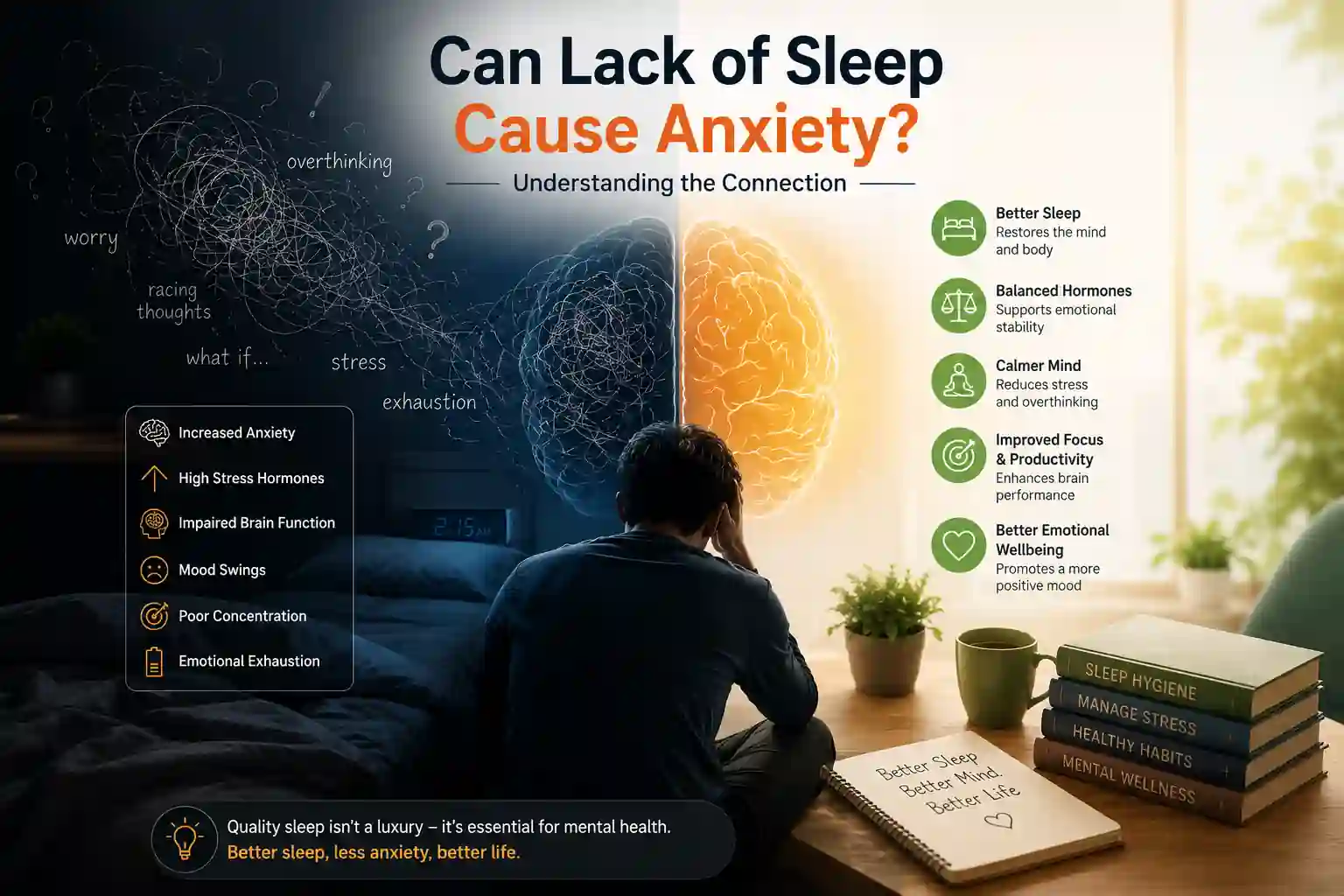
Can Lack of Sleep Cause Anxiety
Signs You May Need to See a Mental Health Professional