
How to Manage Work-Related Stress Without Feeling Overwhelmed

Work-related stress affects millions of employees across nearly every industry, and learning how to manage work-related stress has become essential for long-term wellbeing. When workplace pressure builds without relief, emotional exhaustion, fatigue, and anxiety often follow. Understanding occupational stress — and knowing which coping strategies actually work — helps individuals stay productive without sacrificing their mental health.
Understanding Work-Related Stress and Its Causes
The causes of work-related stress vary widely, but heavy workload, tight deadlines, and poor time management are among the most common triggers. Work stress symptoms typically include fatigue, irritability, disrupted sleep, and difficulty concentrating. Left unaddressed, occupational stress can elevate cortisol levels, keeping the sympathetic nervous system in a prolonged state of alertness. Over time, this pattern contributes to workplace burnout, a condition the World Health Organization recognizes as an occupational phenomenon linked to chronic, unmanaged stress.
Healthy Ways to Manage Work Stress
Workplace stress management starts with small, sustainable habits. Those learning how to cope with work stress often find that structured routines, realistic workloads, and consistent sleep hygiene make the biggest difference in reducing daily pressure.
Mindfulness and Deep Breathing Techniques
Mindfulness meditation and deep breathing exercises activate the parasympathetic nervous system, helping the body shift out of fight-or-flight mode. Progressive muscle relaxation is another technique often recommended by the American Psychological Association for easing physical tension caused by chronic stress.
Building Healthy Boundaries and Work-Life Balance
Improving work-life balance and stress levels often means setting healthy boundaries around working hours, protecting personal time, and prioritizing self-care. These habits, paired with better time management, support resilience and reduce the risk of burnout at work.
When to Seek Professional Mental Health Support
When self-directed strategies aren't enough, professional mental health support can help. Cognitive behavioral therapy (CBT) is widely used to treat stress-related anxiety, while a licensed psychologist or licensed psychiatrist can assess whether symptoms point toward a generalized anxiety disorder. Many workplaces now offer an employee assistance program or workplace wellness program, and some employers partner with occupational health services or executive stress coaching for added support. According to the National Institute of Mental Health, timely intervention often improves outcomes for chronic occupational stress.
Frequently Asked Questions About Work Stress Management
Reference
Content Note:This article is intended for educational and informational purposes only and should not be considered a substitute for professional medical advice, diagnosis, or treatment. Feeling mentally exhausted from time to time is common, especially during periods of prolonged stress, lack of sleep, or emotional challenges. However, persistent mental exhaustion may be associated with conditions such as burnout, anxiety, depression, or other mental health concerns. Anyone experiencing ongoing symptoms, significant distress, or difficulty managing daily activities should seek evaluation from a qualified healthcare professional, psychologist, or psychiatrist. In cases of thoughts of self-harm or a mental health emergency, immediate assistance from local emergency services or a crisis support service should be sought.
More From This Blog



12 Common Mental Health Disorders and Their Symptoms Explained
Without Medication: How to Improve Mental Health Naturally
How Social Media Impacts Mental Health in Children and Adults



mentally exhausted all the time
Signs of burnout
How to Stop Overthinking at Night: Practical Tips for a Calmer Mind


How to Calm Anxiety Before Sleeping Naturally
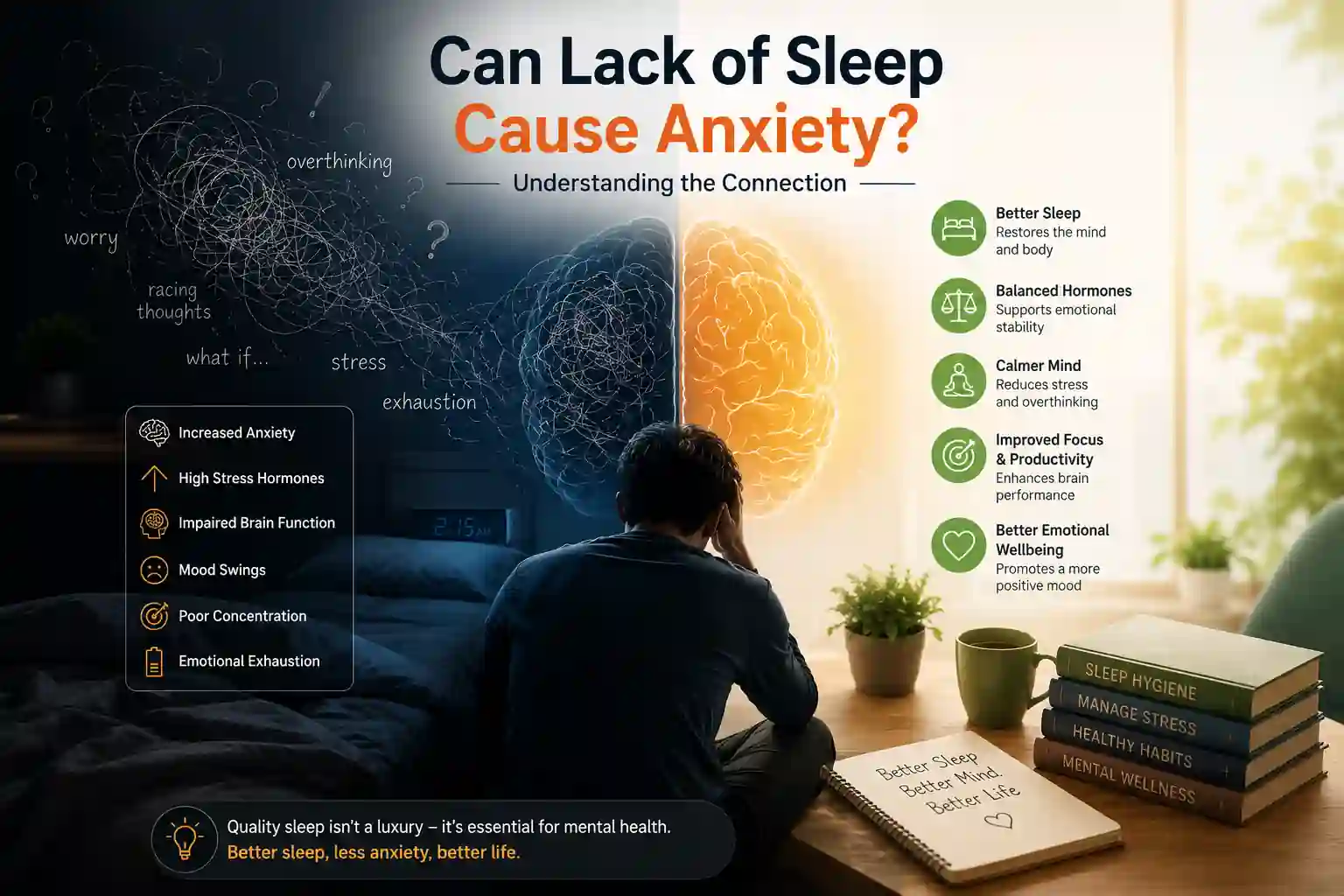
Can Lack of Sleep Cause Anxiety
Signs You May Need to See a Mental Health Professional