
Morning Anxiety: Causes, Symptoms, and Treatment
Waking up with a racing heart, a tight chest, or a wave of dread before the day has even started is a familiar experience for many people. Morning anxiety often feels disproportionate to the situation, leaving people wondering why anxiety is worse in the morning than at any other point in the day. Understanding what drives this pattern is the first step toward finding real morning anxiety relief.
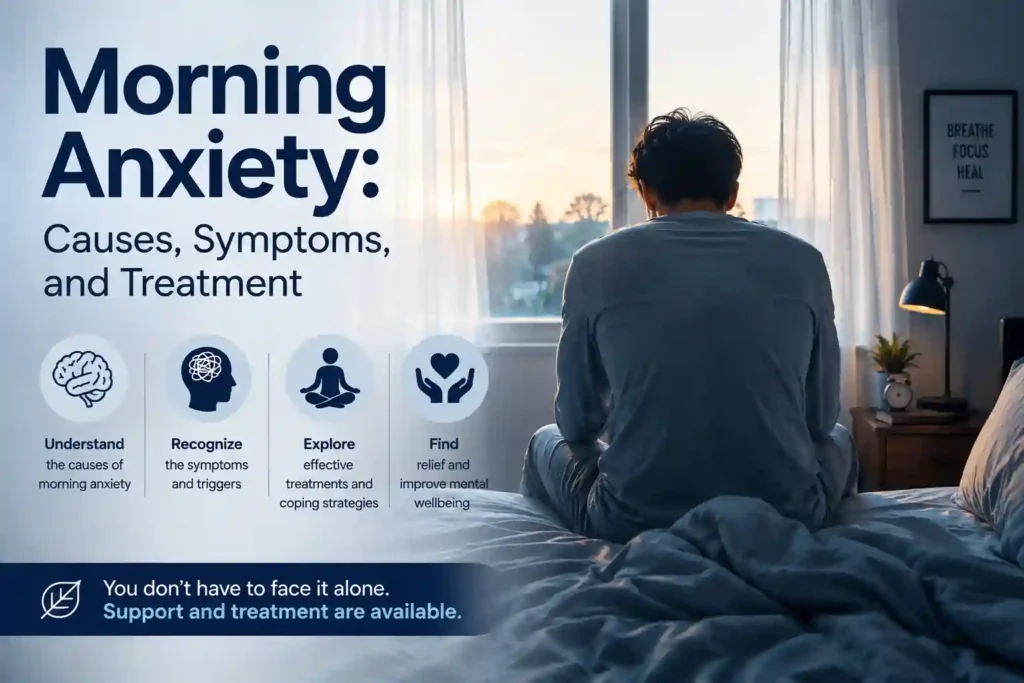
What Causes Morning Anxiety?
Several morning anxiety causes overlap, but one of the most significant is a natural biological process known as the cortisol awakening response. Cortisol, the body's primary stress hormone, rises sharply within the first 30 to 45 minutes after waking as part of the body's normal circadian rhythm. For most people this surge simply provides energy and alertness. For those prone to anxiety, however, high cortisol in the morning can trigger the fight-or-flight response, flooding the body with adrenaline and producing physical symptoms before the mind has even caught up.
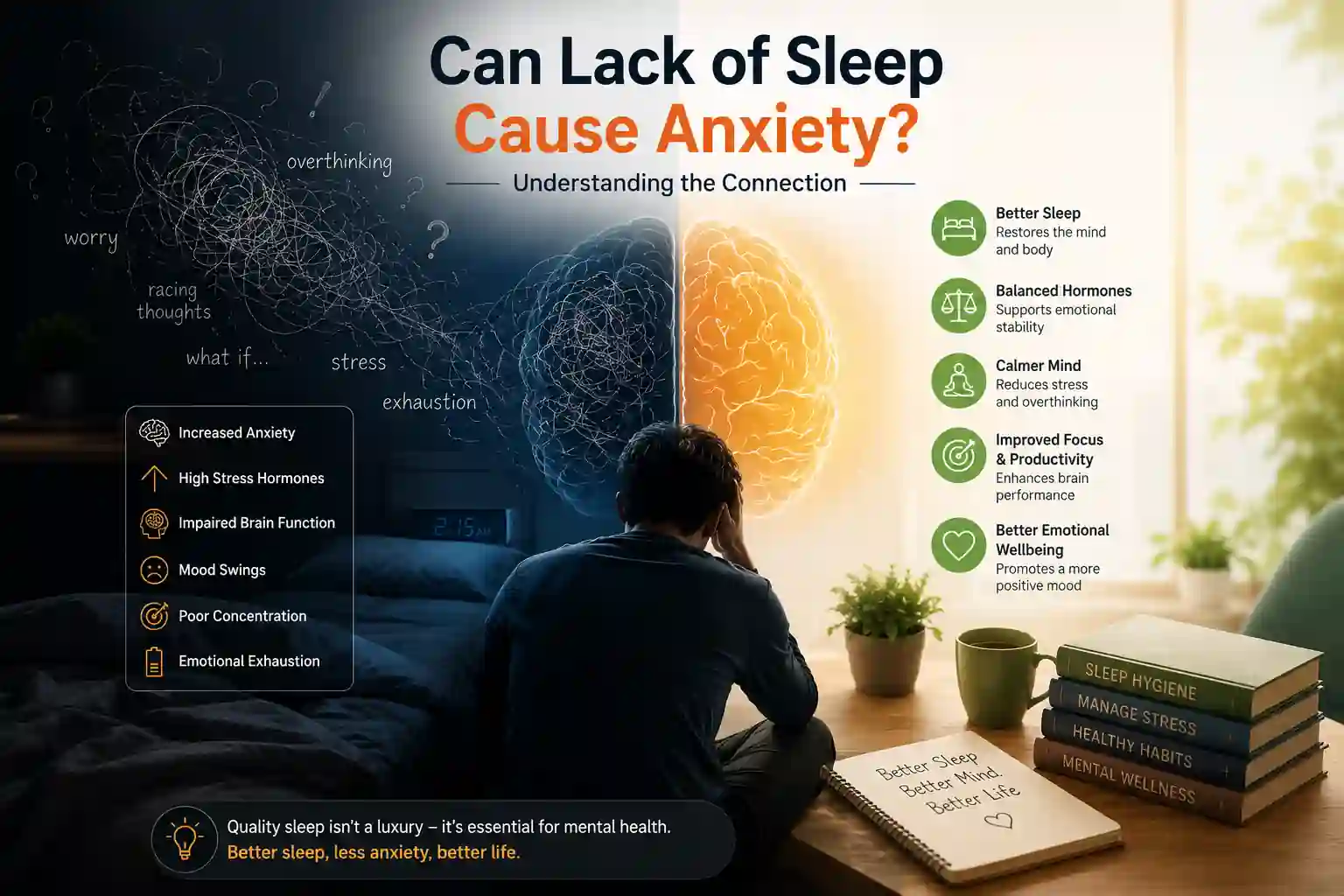
Poor sleep quality, an overactive amygdala, and unresolved daily stress can all amplify this cortisol awakening response, turning ordinary grogginess into full morning panic. Anxiety after waking up is also closely tied to sleep anxiety and insomnia, since a disrupted nervous system rarely resets fully overnight.
Morning Anxiety Symptoms
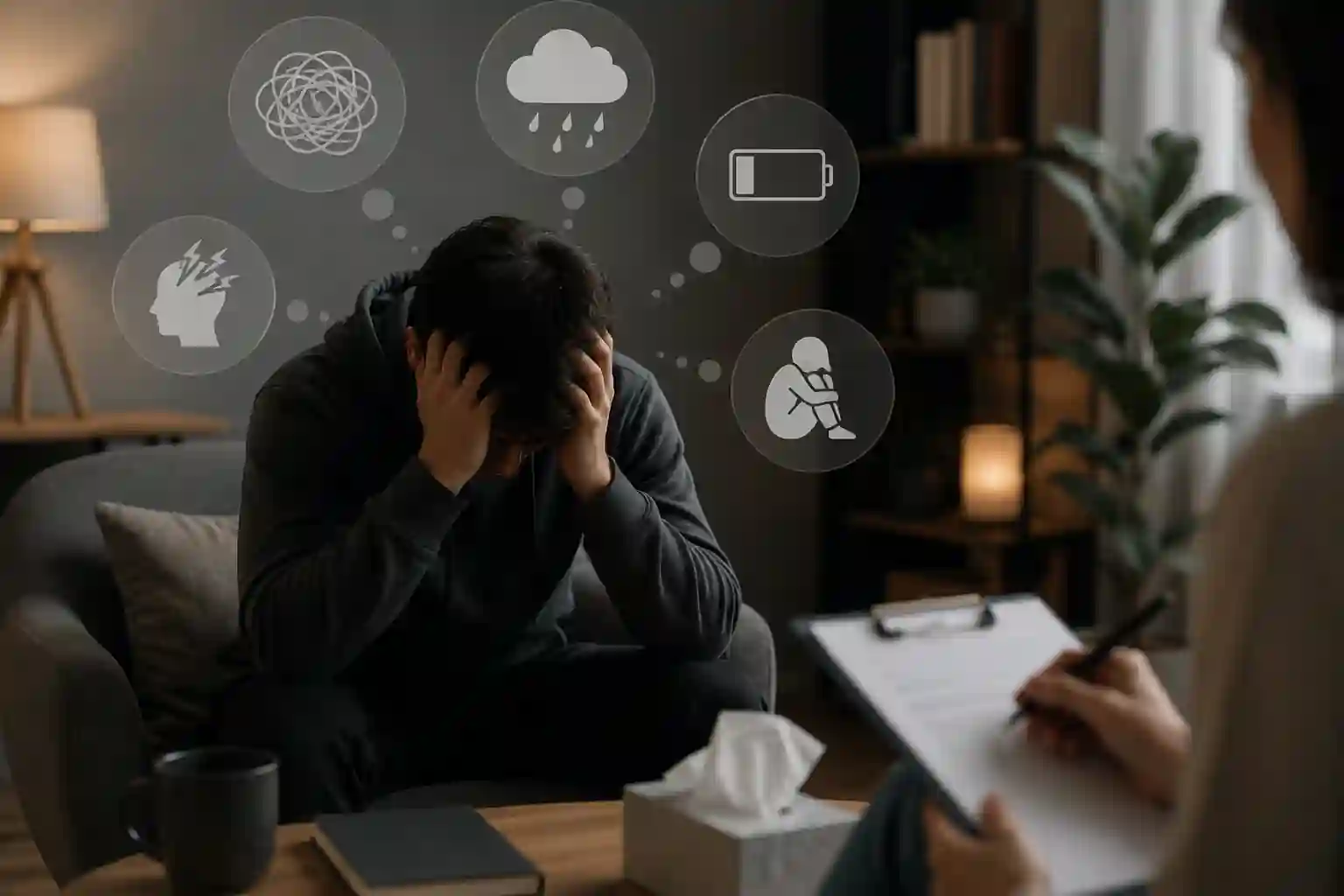
Morning anxiety symptoms vary from person to person, but common signs include racing thoughts, rapid heartbeat, muscle tension, nausea, and a sense of impending dread. Some people experience morning panic attacks, marked by shortness of breath and a sudden spike in fear that can feel alarming even though it usually passes within minutes. Morning overthinking and morning worry often follow, as the brain replays yesterday's stress or anticipates the day ahead before the body has fully woken up.
Left unmanaged, morning nervousness can contribute to fatigue, difficulty relaxing throughout the day, and a cycle where poor sleep and anxiety continually reinforce each other.
How to Stop Morning Anxiety Naturally
Individuals wondering how to reduce morning anxiety often find relief through consistent, small changes rather than a single fix. Deep breathing exercises and box breathing help calm the nervous system by slowing the fight-or-flight response. Mindfulness meditation, even for five minutes upon waking, gives the mind a moment to settle before engaging with the day. A healthy morning routine that avoids checking phones or emails immediately can also reduce the mental load that fuels morning stress and anxiety.
Morning Anxiety Treatment Options
When natural coping strategies aren't enough, professional morning anxiety treatment can make a meaningful difference. An anxiety specialist or licensed psychologist can help identify whether symptoms point to a broader anxiety disorder, such as Generalized Anxiety Disorder or Panic Disorder, through a proper anxiety assessment or anxiety screening test. Cognitive behavioral therapy CBT remains one of the most evidence-based anxiety treatments available, helping patients reframe morning worry and build lasting coping strategies. A psychiatrist for anxiety may also discuss medication options where appropriate, as part of comprehensive behavioral health services.
Frequently Asked Questions About Morning Anxiety
Note: This article is for general informational purposes and is not a substitute for a professional mental health evaluation. Anyone in emotional distress or experiencing a mental health crisis should reach out to a licensed mental health professional or local emergency services.
More From This Blog
12 Common Mental Health Disorders and Their Symptoms Explained
Without Medication: How to Improve Mental Health Naturally
How Social Media Impacts Mental Health in Children and Adults
mentally exhausted all the time
Signs of burnout
How to Stop Overthinking at Night: Practical Tips for a Calmer Mind
How to Calm Anxiety Before Sleeping Naturally
Can Lack of Sleep Cause Anxiety
Signs You May Need to See a Mental Health Professional